Power Equipment Blog

Buyer Guides

Practical Selection Guides for Power Distribution Buyers

These articles support real procurement questions: how to choose the right transformer, substation, switchgear, RMU, or LV cabinet before asking for quotation.

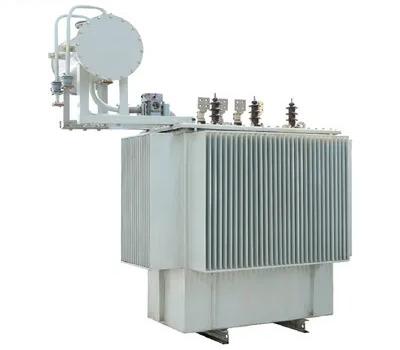
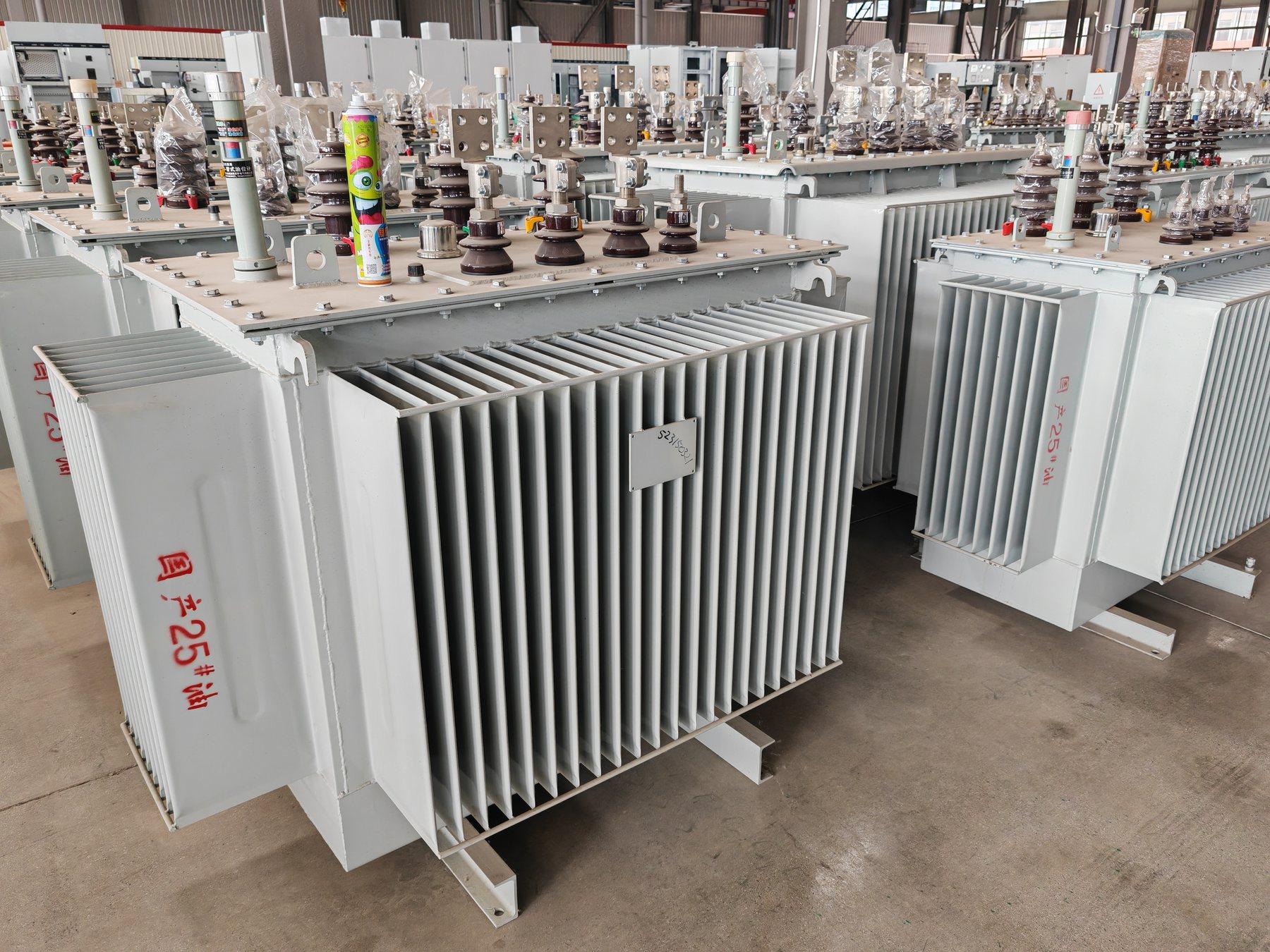
Jinxing oil-immersed distribution transformer for a project RFQ
Transformer Selection Guides

Distribution Transformer Copper or Aluminium Windings: RFQ Decision Guide

State the winding conductor material as a controlled project decision, not as an assumption hidden in a price. A distribution transformer RFQ should ask each supplier to identify copper or aluminium windings, the applicable voltage and capacity, declared losses, temperature-rise basis, terminals, accessories, tests, documents and any effect on dimensions, mass or installation. Compare offers only after the conductor

Read guide
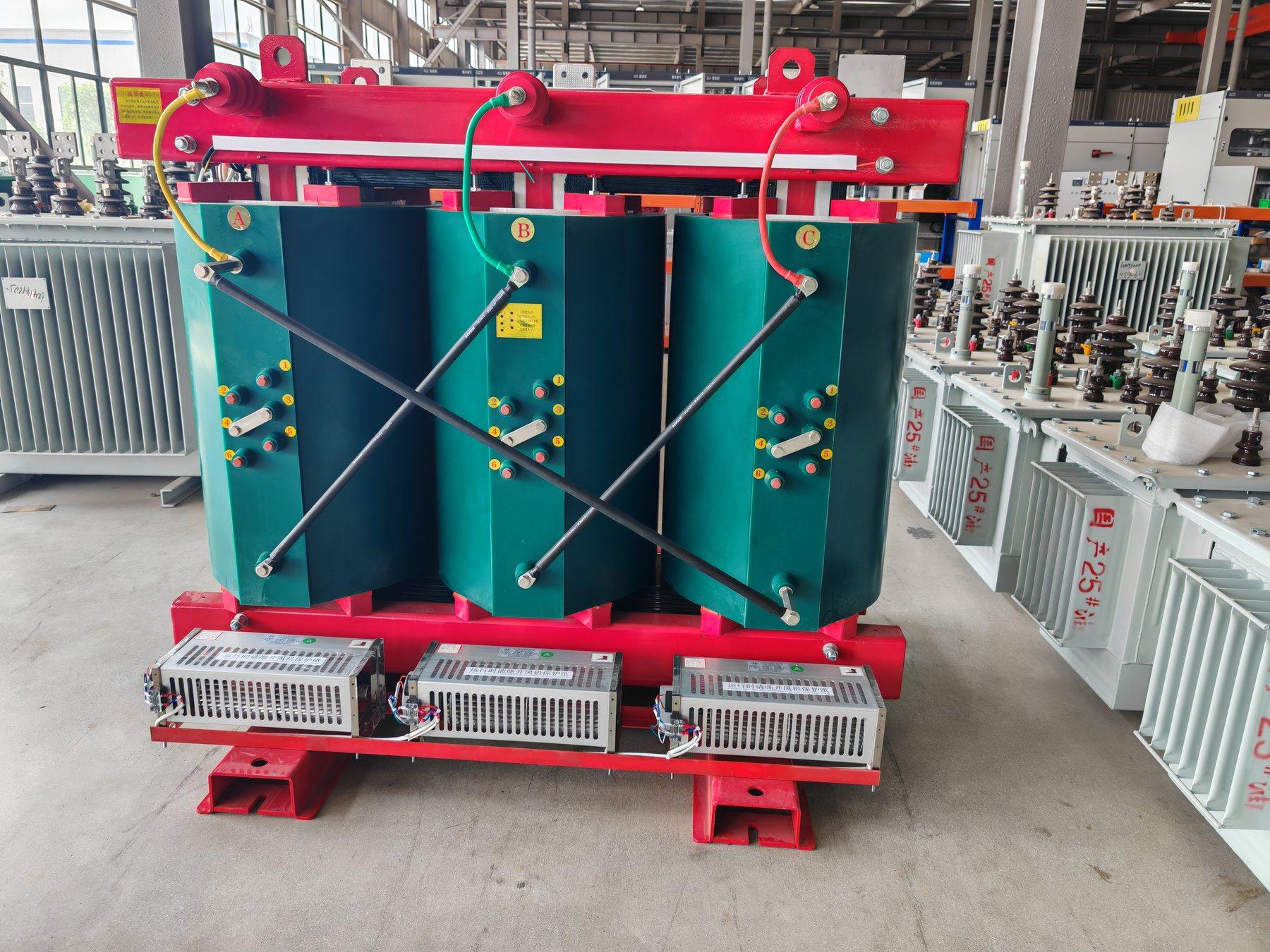
Jinxing dry-type transformer for an indoor distribution installation
Dry-Type Transformer Guides

Dry-Type Transformer Anchoring and Base Interface for an RFQ

A dry-type transformer RFQ should define how the transformer and any enclosure are supported, aligned, restrained and connected to the building or foundation. State the floor or plinth limits, operating environment, vibration or seismic inputs, clearances, cable entry, lifting route, earthing interface and responsibility for anchors and final checks. Do not assume that a catalogue outline proves the offered unit fits

Read guide
Jinxing dry-type transformer for indoor distribution
Dry-Type Transformer Guides

Dry-Type Transformer Anti-Condensation and Room Climate Scope

Define the dry-type transformer’s humidity, temperature, standby and ventilation conditions before deciding whether anti-condensation equipment is needed. The RFQ should state the room environment, shutdown periods, condensation concern, heater or dehumidification requirement, control power, alarms, wiring, installation boundary and pre-energization checks. Do not assume that a dry transformer is automatically suitab

Read guide
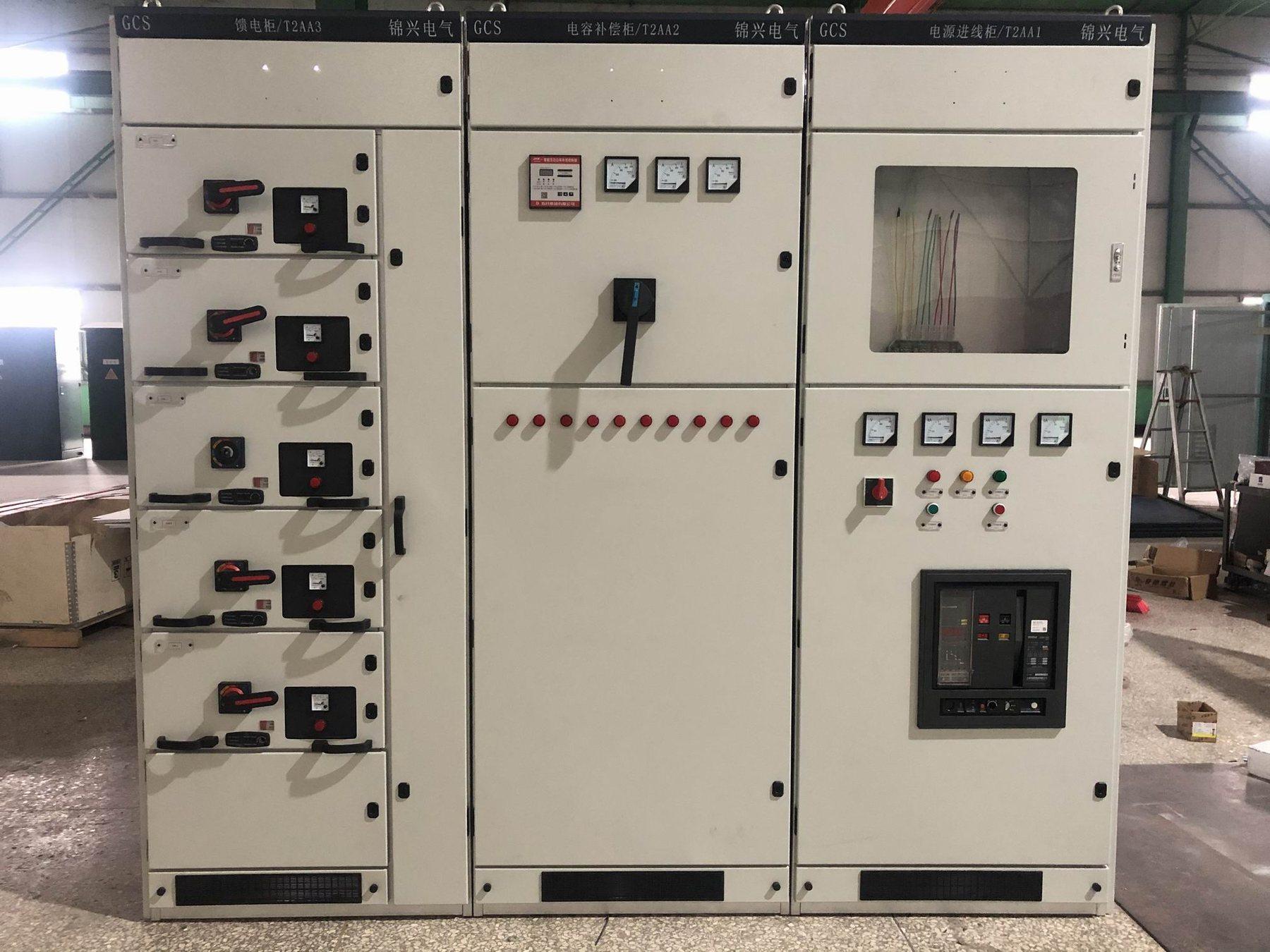
Jinxing low-voltage switchgear cabinet for a busduct or cable incomer review
Low Voltage Switchgear Guides

LV Switchgear Busduct or Cable Incomer Interface for an RFQ

An LV switchgear RFQ should freeze the incoming connection as a physical and commercial interface. State whether the source arrives by busduct, single or parallel cables, or a project-defined transition, then record current, fault duty, phase and neutral arrangement, PE connection, entry direction, supports, expansion, enclosure sealing, access, tests and responsibility for the mating equipment. A quotation that says

Read guide
Jinxing low-voltage switchgear cabinet for power distribution
Low Voltage Switchgear Guides

LV Switchgear Neutral and PE Bar Arrangement for an RFQ

Specify the neutral and protective-conductor arrangement as part of the low-voltage switchgear scope. State the system earthing method, whether neutral and PE or PEN remain combined or separate, expected neutral duty, bar dimensions and connections, incoming and outgoing cable interfaces, metering needs, bonding, access and test records. The exact arrangement must follow the project design and applicable local rules;

Read guide
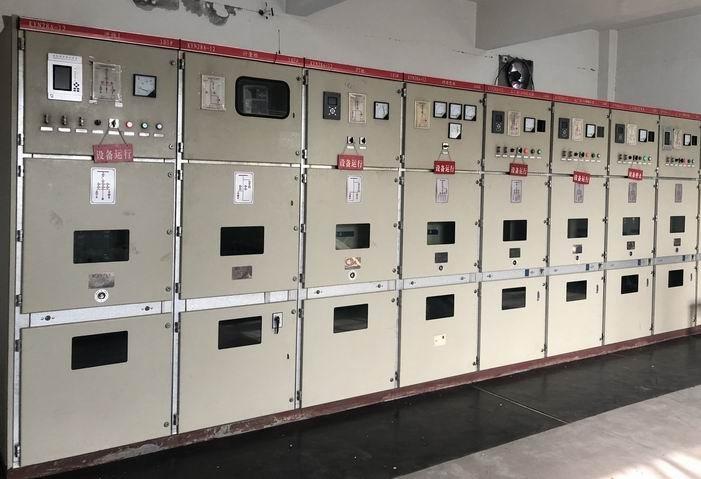
Jinxing medium-voltage switchgear lineup
Medium Voltage Switchgear Guides

MV Switchgear Bus Coupler Panel Scope for a Tender

A medium-voltage switchgear bus coupler is a controlled connection between two bus sections. A tender should define when the coupler may close, which incomers can feed it, the normal-open or normal-closed operating state, short-circuit duty, protection and metering, control power, mechanical and electrical interlocks, cable and relay interfaces, and the tests and drawings required for approval. “Bus coupler included”

Read guide
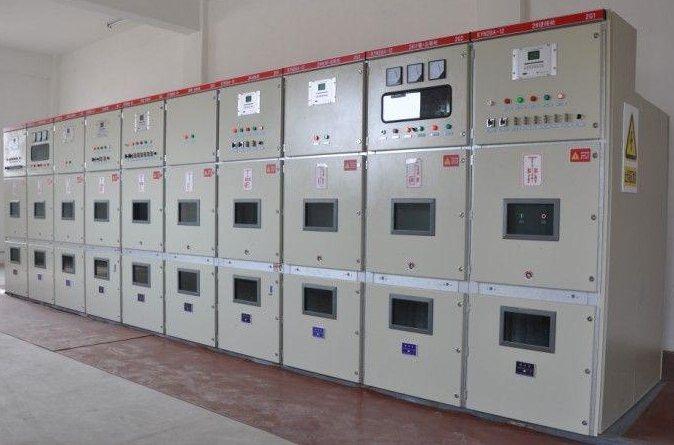
Jinxing medium-voltage switchgear for a project room-interface review
Medium Voltage Switchgear Guides

MV Switchgear Pressure-Relief Path and Room Interface for an RFQ

If the offered medium-voltage switchgear design uses a pressure-relief or exhaust path, the RFQ should define the affected sides, direction, room openings, ducts or deflectors, civil works, clearances, access restrictions and acceptance evidence. An internal-arc or enclosure statement alone does not define the installed room route. Ask the supplier to show the offered assembly and identify which building interfaces a

Read guide
Jinxing oil-immersed transformer for an alarm and remote-monitoring RFQ
Oil-Immersed Transformer Guides

Oil Transformer Alarm Contacts and Remote Monitoring Scope for an RFQ

An oil-immersed transformer RFQ should identify every required indication, alarm, trip contact, terminal, auxiliary supply and remote point. Ask the supplier to separate the physical device, local display, dry contact, communication interface, marshalling terminal, cable and test responsibility. “Remote monitoring included” is not a complete scope: the project still needs point names, normal states, failure behaviour

Read guide
Jinxing oil-immersed transformer for distribution projects
Oil-Immersed Transformer Guides

Oil-Immersed Transformer Conservator or Sealed Tank?

Choose the oil preservation arrangement from the project rating, oil volume, ambient conditions, installation environment, maintenance plan, transport method and required monitoring. A conservator arrangement and a sealed-tank arrangement change the tank, expansion space, pressure protection, oil-level indication, breather or valve scope, drawings and tests. State the required arrangement in the RFQ, or mark it as an

Read guide
Jinxing oil-immersed transformer for a project cooling and quotation review
Oil-Immersed Transformer Guides

Oil-Immersed Transformer Radiator and Cooling Scope for an RFQ

An oil-immersed transformer RFQ should state the cooling arrangement, radiator or cooler supply, isolation and drain interfaces, temperature devices, fan or pump controls where applicable, maintenance access, transport condition and test responsibility. “Oil-cooled transformer” is not a complete supply boundary. Ask the supplier to identify what is factory-fitted, supplied loose, by others or still subject to project

Read guide
Jinxing ring main unit for medium-voltage distribution
Ring Main Unit Guides

RMU Fault Passage Indicators: Local, Remote and SCADA Scope

Specify an RMU fault passage indicator (FPI) as a complete detection and signal package, not just a small front-panel device. The purchase scope should state the fault types to detect, the sensing method, local indication, reset method, auxiliary power, remote contacts or communications, signal ownership, and the tests required at the factory and site. Whether an FPI is included, loose supplied, optional or excluded

Read guide
Jinxing oil-immersed transformer product photograph
Transformer Selection Guides

Transformer Bid Comparison: Included Accessories and Options

Compare transformer bids only after each accessory is marked as included, optional with a price, supplied loose, installed by another party, excluded, or still pending. Then connect the marked scope to the equipment rating, terminal arrangement, control wiring, tests, drawings, packing and delivery boundary. A quotation that says “complete accessories” is not comparable until the item identities, quantities, responsi

Read guide
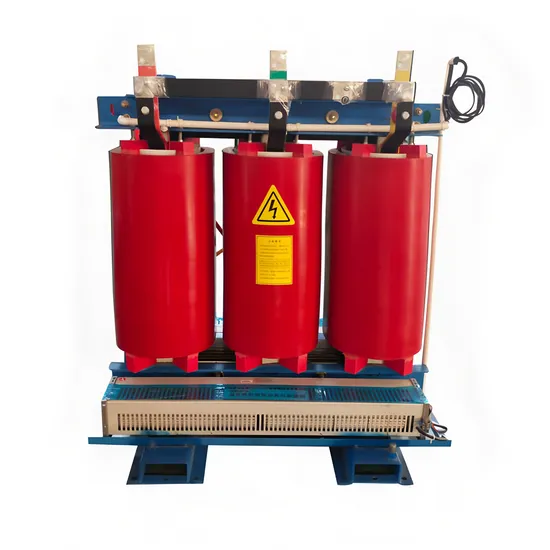
Jinxing dry-type transformer product photograph
Transformer Selection Guides

Transformer Documentation Language and Drawing Approval

Set a controlled document register before comparing transformer quotations. Name the required language, units, drawing types, submission stages, reviewer, approval authority, revision code and final-record format. Approve the technical drawing against the same specification used for the quotation, then release one identified revision to manufacturing. A translated file or an attractive catalogue page is not a substit

Read guide
Jinxing medium-voltage switchgear lineup for a project RFQ
Medium Voltage Switchgear Guides

Withdrawable Medium-Voltage Switchgear Truck Positions: RFQ Scope

A withdrawable medium-voltage switchgear RFQ should define each truck position, the allowed movement between positions, racking method, shutters, secondary plug, earthing switch, interlocks, control power, cable access and acceptance tests. “Withdrawable” alone does not tell the buyer whether service, test, disconnected and removed positions are provided or how the equipment behaves at each position.

Read guide
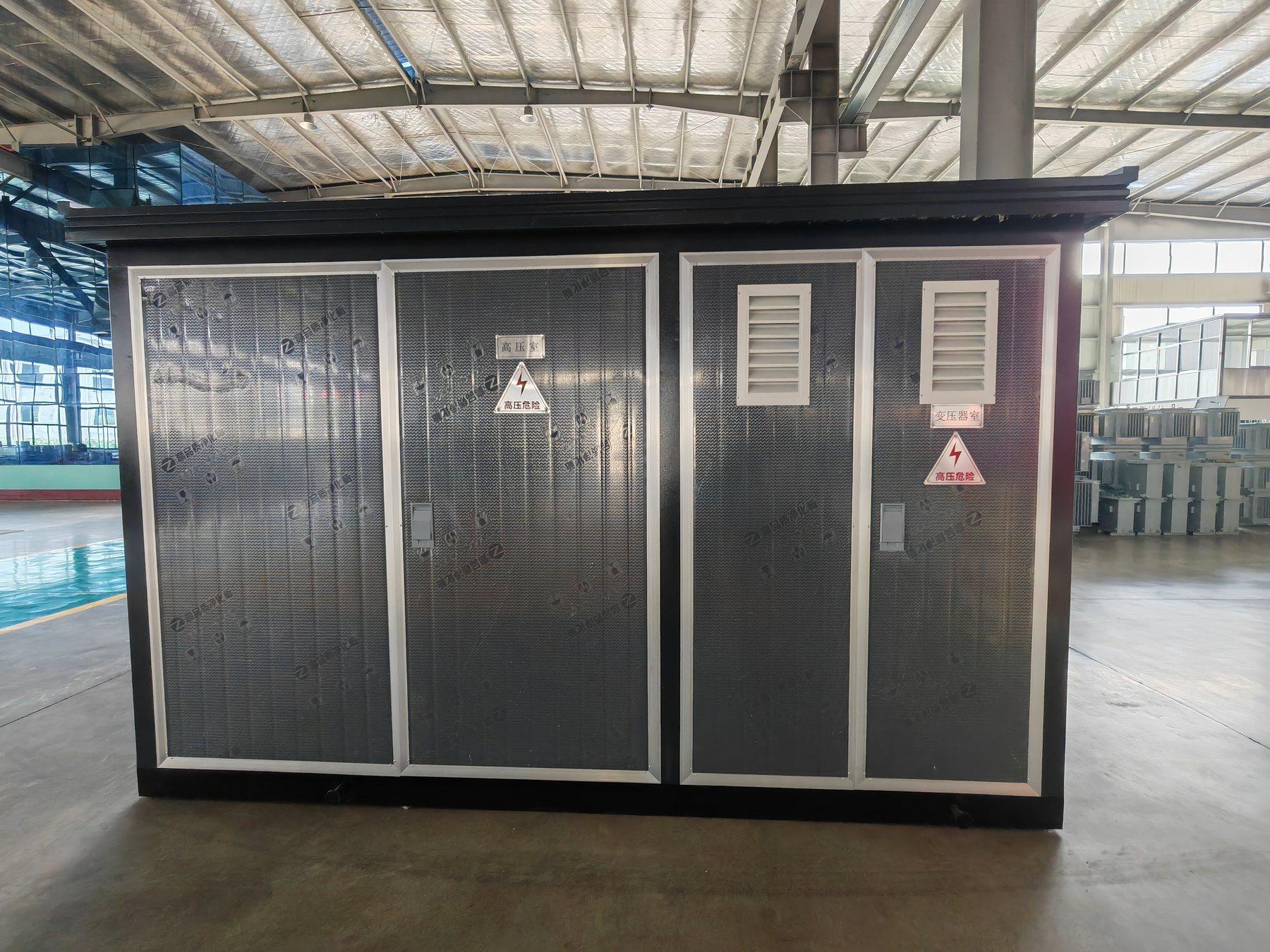
Jinxing compact substation product photograph
Compact Substation Guides

Compact Substation Auxiliary Power Supply Boundaries

Define the compact substation auxiliary supply with a load schedule and a boundary drawing. Separate power for protection, switching, communications and alarms from services such as lighting, heaters, sockets and transformer cooling. Then state who supplies the source, distribution, terminals, external cables, controls and tests. A package described as “complete” is still ambiguous until those interfaces are named.

Read guide
Jinxing compact substation product photograph
Compact Substation Guides

Compact Substation Door and Equipment Removal Access

Approve a compact substation’s equipment-removal route before the enclosure drawing is frozen. The supplier should show the largest removable component, clear door opening, panel or roof sections that may be removed, lifting points, turning space, floor route, cable disconnection boundary and the equipment needed to move it.

Read guide