Quick answer
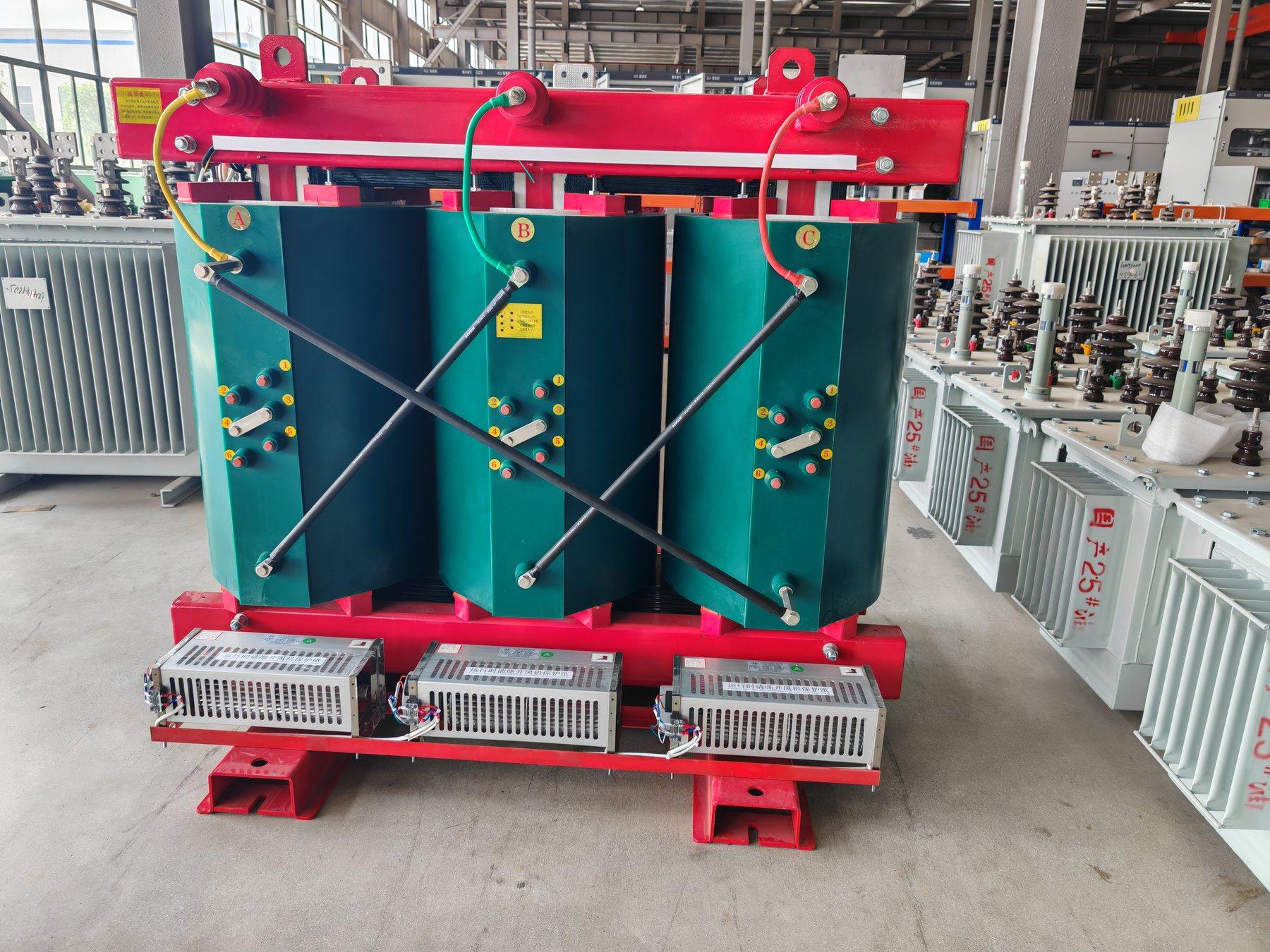
A dry-type transformer RFQ should define how the transformer and any enclosure are supported, aligned, restrained and connected to the building or foundation. State the floor or plinth limits, operating environment, vibration or seismic inputs, clearances, cable entry, lifting route, earthing interface and responsibility for anchors and final checks. Do not assume that a catalogue outline proves the offered unit fits the project base.
Why anchoring belongs in the quotation
A dry-type transformer may be installed in a room, a prefabricated enclosure, a plant floor or a project-specific support frame. The transformer, enclosure, rails, pads, anchor points and cable connections can be supplied by different parties. If the quotation only says “indoor installation,” the buyer still does not know which drawing controls the base, which loads the civil contractor should use or who checks the completed restraint.
Use the Dry-Type Transformers page to identify the product family, then ask the supplier to mark the support and anchoring scope for the offered configuration. The transformer quotation page can carry the marked site schedule. Final dimensions, mass, supports and restraint details remain project-specific.
Separate the transformer, enclosure and civil interfaces
| Interface | Buyer decision | Evidence to request |
|---|---|---|
| Transformer support | Is the active unit seated on rails, pads, a frame or another approved support? | Outline drawing, support detail and installation instruction |
| Base and loads | Which dimensions, reactions, mass and service loads must the foundation or floor accept? | Foundation loads, footprint and approved GA drawing |
| Anchoring or restraint | What prevents movement under the project’s vibration, wind, seismic or handling conditions? | Anchor layout, restraint detail and responsible designer |
| Enclosure interface | Are the transformer and enclosure supported together or separately? | Enclosure GA, fixing points, clearances and interface matrix |
| Cable and earthing paths | Do cable entries, neutral or protective connections remain accessible after fixing? | Cable-entry drawing, terminal schedule and earthing detail |
| Installation and acceptance | Who unloads, positions, anchors, aligns and records the final checks? | Method statement, inspection record and handover checklist |
This is a procurement framework, not proof that every Jinxing model includes rails, anchors, pads or a particular restraint kit. The supplier should identify factory-fitted items, loose-supplied items, by-others work and information still required.
Freeze the base after the offered configuration is known
The base should be checked against the actual transformer dimensions, mass, support points, enclosure clearances, cable direction and maintenance access. A preliminary room drawing can be useful for budgeting, but the civil release should reference the approved equipment drawing and revision. If the transformer is split for transport or assembled inside an enclosure, identify which condition controls the lift, temporary support and final fixing.
The SCB11 dry-type transformer installation checklist covers related site preparation. This article narrows the procurement decision to the support and anchoring boundary so the buyer can compare a complete installation scope. The dry-type transformer enclosure guide should be reviewed when the enclosure changes access, airflow or fixing points.
Coordinate restraint with airflow, access and connections
An anchor or frame must not block the airflow path, inspection side, cable bend space, terminal access or removal route. Check whether the fixing detail changes the enclosure panel, ventilation opening, door swing, fire separation, drainage or earthing connection. If the installation is in a plant with vibration or in a location with a project-defined seismic or wind requirement, place that input in the design responsibility matrix rather than assuming a generic product rating.
The installer should receive a controlled drawing showing the fixing points, tightening or joining instructions required by the project, alignment checks and any temporary supports. If the supplier cannot confirm a detail before quotation, keep it as an open item with an owner and decision date. Do not drill a new hole in a transformer frame or enclosure after drawing approval without engineering acceptance.
Make delivery and site work visible
The dry-type transformer transport and reassembly scope explains why shipping condition and operating condition need separate records. For anchoring, add the unloading route, lifting points, temporary supports, final position, anchor hardware, external connections and inspection sequence. A factory test does not prove that the unit is correctly aligned or restrained on the completed project base.
Record the acceptance evidence: equipment identity, drawing revision, support and anchor locations, visible damage check, alignment or clearance confirmation, connection inspection and any project-defined measurement. The purchase order should state who closes each item.
RFQ checklist
Send the following with a dry-type transformer enquiry:
- Voltage, capacity, frequency, impedance, quantity and intended operating duty.
- Indoor or outdoor location, ambient range, humidity, altitude, dust, corrosion and vibration context.
- Room or enclosure drawings showing floor, plinth, access, ventilation and cable-entry limits.
- Required support type, footprint, clearances, foundation loads and allowable floor or frame limits.
- Project-defined seismic, wind, transport or handling requirements, if applicable.
- Anchor, rail, pad, frame, earthing and cable-interface responsibility by contractor.
- Packed and operating dimensions, mass, lifting points, temporary supports and route constraints.
- Required GA, foundation, fixing, wiring, inspection, test and handover documents.
- Open decisions, approval stage, destination and quotation deadline.
Use the transformer quotation page and project enquiry page to submit the marked base schedule. Final support, restraint, ratings and acceptance criteria remain project-specific.
FAQ
Does a dry-type transformer always need anchor bolts?
Not necessarily. The support and restraint method depends on the offered construction, enclosure, site conditions, handling requirements and project design. Ask the supplier to identify the required fixing and what is supplied.
Can the civil contractor use a catalogue footprint for the transformer base?
Use it for early planning only. Before civil release, confirm the offered unit’s dimensions, mass, support points, cable interfaces, clearances and drawing revision.
Is a factory inspection enough to accept the anchoring work?
No. Factory checks cover the tested equipment boundary. Final positioning, support, anchors, clearances, connections and site records must be accepted against the project installation plan.