Quick answer
An LV switchgear RFQ should freeze the incoming connection as a physical and commercial interface. State whether the source arrives by busduct, single or parallel cables, or a project-defined transition, then record current, fault duty, phase and neutral arrangement, PE connection, entry direction, supports, expansion, enclosure sealing, access, tests and responsibility for the mating equipment. A quotation that says “cable or busduct incomer” without a drawing leaves the supplier and installer pricing different work.
Why the incoming connection changes the offer
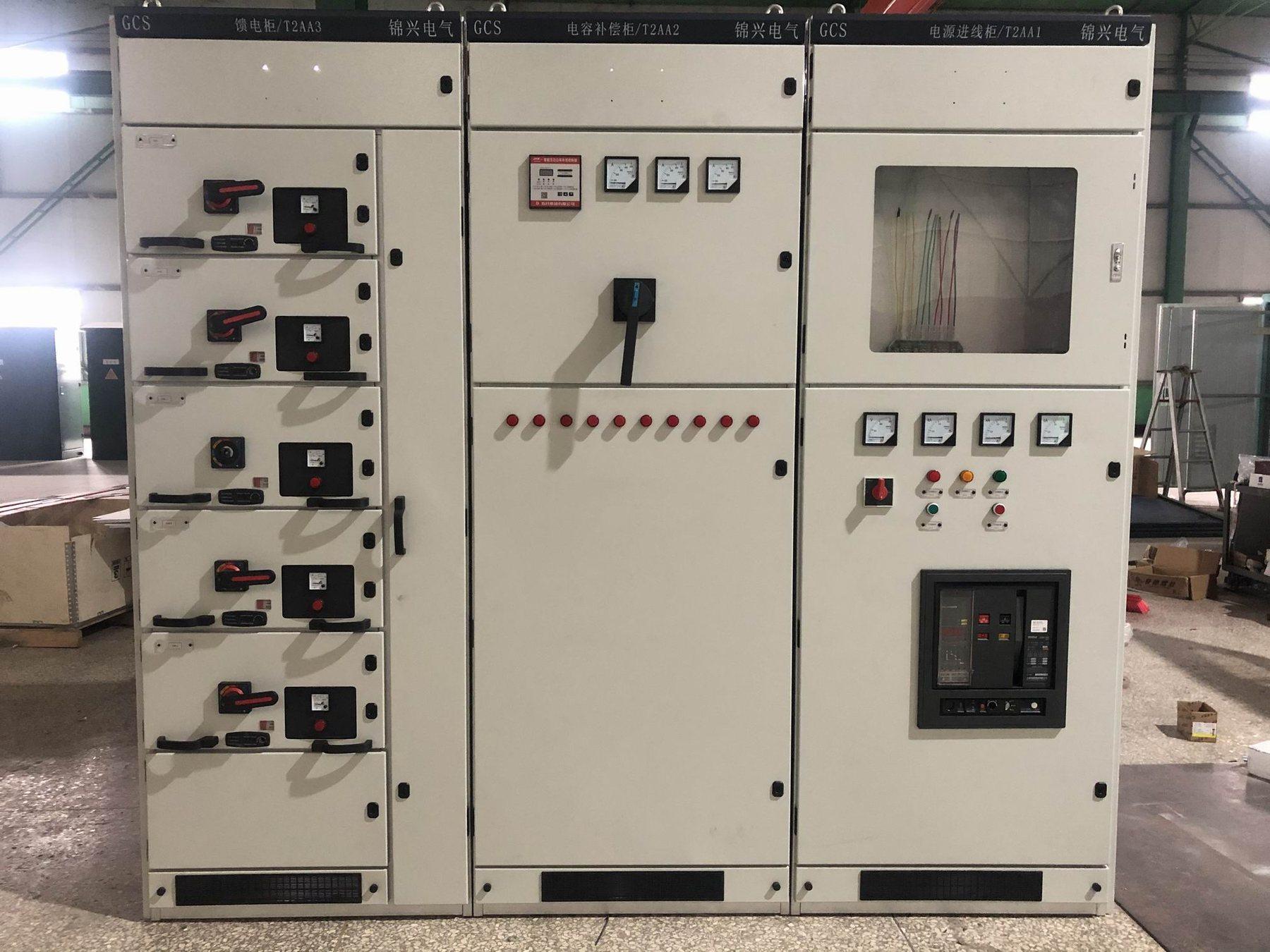
The incoming device may be an ACB or another main switching arrangement, but the connection around it still affects the cabinet width, connection chamber, busbar position, gland plate, bend radius, lifting and installation sequence. Busduct can require a flange, flexible link, support and building opening. Cables can require multiple runs, termination kits, stress control, cleats and extra space. The main breaker rating alone does not make these interfaces comparable.
Review the low-voltage switchgear product family and attach a marked connection sketch to the enquiry. Confirm the actual offered cabinet and source arrangement for the project; this article does not promise that every Jinxing model accepts every busduct or cable configuration.
Compare the connection paths before pricing
| Incoming path | Buyer decision to record | Evidence to request |
|---|---|---|
| Busduct | Flange or transition type, phase order, neutral/PE arrangement, joint position and support | Busduct interface drawing, GA and joint details |
| Single cable set | Number of runs, conductor size, entry direction, bend radius and termination height | Cable schedule, gland plate and cable-compartment section |
| Parallel cable sets | Phase grouping, spacing, cleats, short-circuit restraint and spare entry capacity | Cable calculation, support detail and termination layout |
| Flexible transition | Who supplies flexible links, adapters, supports and installation hardware? | Responsibility matrix and connection detail |
| Building interface | Wall/floor opening, fire or water sealing, IP boundary and finishing work | Civil opening drawing and acceptance responsibility |
| Maintenance access | Can the incomer be isolated, tested and reterminated without blocking adjacent feeders? | Maintenance clearance and approved room layout |
Treat the table as an RFQ decision sheet. Mark each item as supplier-supplied, by others, loose-supplied or to be confirmed. A busduct manufacturer’s flange dimension or a cable accessory’s range cannot be assumed to suit the quoted cabinet without a coordinated drawing.
Align the incomer with bars, neutral and PE
The ACB main incomer guide covers the breaker function; this article focuses on the connection boundary around that device. Confirm the incoming busbar rating, short-circuit withstand, phase sequence, neutral switching, PE or PEN transition, bonding point and access to torque or inspection points. If the source is a transformer, generator, UPS or parallel system, show the source and transfer philosophy on the approved single-line diagram.
The LV panel neutral sizing guide explains why conductor separation and metering interfaces need a project decision. Do not let a busduct or cable choice hide the neutral path, protective conductor or sensing connections. Request a section drawing that labels each conductor and the point where the external connection becomes part of the switchboard assembly.
Resolve physical and civil interfaces early
For busduct, check joint access, thermal movement, support steel, alignment tolerance, building openings and whether the connection is shipped assembled or completed on site. For cables, check entry plate material, removable covers, bending space, phase spacing, gland or lug details, parallel-run arrangement, cleats and fire or water sealing. The LV panel cable-entry and termination guide provides a related review; this new scope starts one step earlier by choosing the source connection type.
If the switchboard sits in a compact substation or equipment room, show the transformer or busduct end, cable trench, door, lifting route and adjacent panel in the same interface sketch. The compact substation supply-boundary guide can help separate factory equipment from civil and external-cable work. Final dimensions, sealing method and site tolerances must come from the approved project drawings.
Make tests and handover specific
Ask the supplier to identify which connection checks occur at the factory and which are site activities. Factory checks may cover cabinet busbar joints, labels and internal wiring. Site acceptance may need visual inspection, torque records, conductor identification, protective-conductor continuity, insulation or withstand checks where applicable, busduct joint inspection, cable termination checks and functional operation of the incomer.
Request a document register linking the single-line diagram, source data, connection drawing, busbar schedule, terminal plan, civil opening detail, inspection plan and final as-built records. The low-voltage switchgear testing guide supports the broader test plan, but it does not define an unconfirmed busduct, cable accessory or site acceptance scope.
RFQ checklist
Include the following with a low-voltage switchgear enquiry:
- Source type, voltage, frequency, current, fault level and approved single-line diagram.
- Busduct, single-cable or parallel-cable connection choice and reason for any open option.
- Phase, neutral, PE/PEN, bonding, sensing and metering arrangement.
- ACB or incomer device duty, terminals, busbar position and required isolation or testing access.
- Busduct flange/joint data or cable size, run count, bend radius, lugs, glands and cleats.
- Entry direction, gland plate, supports, expansion, building openings and IP or sealing boundary.
- Transformer, generator, UPS or transfer-system interfaces where they affect the source connection.
- GA, section, busbar, connection, civil-opening, wiring, inspection and as-built documents.
- Factory checks, site tests, installation responsibility, exclusions, quantity and destination.
Use the low-voltage switchgear page and project enquiry page to send the source drawing and marked interface. Final busduct, cable, busbar, breaker, civil and test scope remains project-specific.
FAQ
Is busduct always better than cable for an LV incomer?
No. The decision depends on source location, current and fault duty, route, space, installation method, maintenance access, cost and project responsibility. Compare a coordinated interface drawing and complete supply boundary rather than a product label.
Does the main ACB rating define the cable or busduct connection?
No. The connection also needs phase and neutral arrangement, short-circuit restraint, termination geometry, supports, sealing and access. The ACB and the source connection must be reviewed together on the approved drawings.
Who should provide the busduct flange or cable termination hardware?
The purchase order should name the responsible supplier and identify every mating dimension and loose item. If the boundary is open, require separate prices and a drawing revision before manufacturing release.