Quick answer
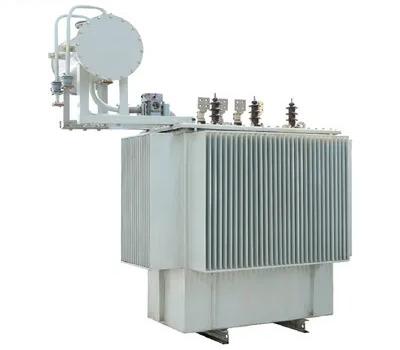
Choose the oil preservation arrangement from the project rating, oil volume, ambient conditions, installation environment, maintenance plan, transport method and required monitoring. A conservator arrangement and a sealed-tank arrangement change the tank, expansion space, pressure protection, oil-level indication, breather or valve scope, drawings and tests. State the required arrangement in the RFQ, or mark it as an engineering decision for the quoted Jinxing configuration.
Why the oil preservation arrangement changes the quotation
Transformer oil expands and contracts with temperature and loading. The tank design must accommodate that movement while keeping the insulation system, pressure protection and maintenance access under control. A conservator arrangement usually makes the expansion space and oil-level observation a visible part of the package. A sealed-tank arrangement may use a different pressure and expansion method. The exact design, fittings and operating limits depend on the transformer family and project specification.
Do not compare two offers only by “oil-immersed transformer.” Ask each supplier to identify the oil preservation method, the included devices and the boundaries that remain with the installer. The public Oil-Immersed Transformers page is the right starting point for matching the product family; the final tank and accessory arrangement must come from the project quotation.
Turn the choice into a decision table
| Decision area | What the buyer should define | Why it changes the order |
|---|---|---|
| Oil expansion | Required preservation arrangement or open engineering choice | Changes tank, expansion space, level indication and drawings |
| Ambient and loading | Indoor/outdoor, ambient range, load cycle, altitude and solar exposure | Influences thermal movement, monitoring and installation conditions |
| Pressure protection | Required relief, alarm, trip, vacuum or pressure indication | Changes fittings, wiring, tests and protection interfaces |
| Oil level and sampling | Local indication, alarm contacts, sampling valves and access | Defines inspection, commissioning and maintenance scope |
| Breather or sealing | Required moisture-control method and service responsibility | Affects maintenance consumables, valves and handover instructions |
| Transport and filling | Filled, partially filled or site-filled delivery; route limits | Changes packing, oil handling, site work and acceptance records |
| Documents | Tank drawing, oil schedule, valve list, manuals and test reports | Makes the delivered configuration traceable |
These rows are procurement questions, not a declaration that every arrangement is available on every Jinxing model. Ask the engineering team to close the open items before comparing prices.
Define the complete tank and oil scope
Write the oil preservation choice beside the associated equipment. A useful schedule can include:
- Main tank, cover, radiators or other heat-transfer parts shown on the offered arrangement.
- Conservator or sealed-tank components, expansion space, valves and isolation points.
- Oil-level indication, alarm contacts, pressure or vacuum protection and temperature devices where required.
- Breather, oil filling, draining, sampling, filtration and de-energized maintenance connections.
- Bushings, cable boxes, earthing points, marshalling terminals and external cable interfaces.
- Factory oil treatment, filling state, site topping-up responsibility and oil-handling documents.
- General arrangement, foundation loads, lifting points, nameplate, wiring, routine tests and final records.
Mark each row as included, optional, supplied loose, by others, excluded or pending. “Complete oil accessories” is too vague for a comparable quotation.
Check the installation and maintenance boundary
A conservator or sealed tank is only one part of the site decision. Confirm clearances, access to valves and indicators, oil containment, fire provisions, earthing, cable route, ventilation and lifting. An item that is factory-fitted may still need site wiring, calibration, oil sampling or commissioning. Ask the supplier to identify the factory boundary and the site activity for every alarm, valve and instrument.
The existing oil-immersed transformer accessories checklist collects candidate devices. This article narrows the decision to the oil preservation arrangement and its physical, document and maintenance consequences. Use the transformer quotation requirements guide to attach the electrical and project inputs before requesting the final scope.
Compare offers on the same baseline
For each bidder, record the same voltage ratio, capacity, frequency, impedance, tapping method, cooling arrangement, installation environment, oil preservation choice, accessories, tests, documents, packing and delivery terms. If one offer leaves the arrangement open, keep it as a technical deviation rather than treating it as a lower-cost equivalent.
Do not infer oil volume, pressure limits, maintenance interval, protection coverage or site filling requirements from a product name. Confirm the actual model, drawing revision and project acceptance criteria. The transformer quotation page and project enquiry page provide the next step for a configuration-based response.
RFQ checklist
Send the following before asking for a comparable oil-immersed transformer quote:
- Single-line diagram, voltage ratio, frequency, capacity, impedance and quantity.
- Load cycle, ambient range, altitude, indoor/outdoor location and corrosion or dust conditions.
- Required oil preservation arrangement, or a clear request for the supplier to propose one.
- Oil level, pressure/vacuum, temperature, alarm, trip, breather, valve and sampling requirements.
- Factory oil treatment, delivery oil state, site filling or topping-up responsibility and oil documents.
- Terminal arrangement, cable boxes or bushings, earthing, marshalling and external control wiring.
- Foundation, lifting, transport, access, containment and maintenance constraints.
- Required drawings, routine tests, inspection points, nameplate, manuals, packing list and final records.
- Open deviations, approval stages, destination and the commercial deadline for the quotation.
FAQ
Is a conservator always better than a sealed tank?
No. The suitable arrangement depends on the project design, transformer family, environment, maintenance plan, transport and required monitoring. Ask the engineer to define the duty and have the supplier confirm the offered arrangement.
Does a sealed tank remove the need for pressure or oil checks?
No. The applicable pressure, oil condition, temperature and protection checks still need to be defined for the offered design. Request the operating manual, alarm or relief scope and acceptance records for the quoted configuration.
Can the oil preservation arrangement be changed after the quotation?
It may change the tank, dimensions, accessories, tests, packing, site work and documents. Treat a late change as a technical and commercial revision, then re-approve the affected drawings and responsibilities before manufacturing release.