Quick answer
An oil-immersed transformer RFQ should state the cooling arrangement, radiator or cooler supply, isolation and drain interfaces, temperature devices, fan or pump controls where applicable, maintenance access, transport condition and test responsibility. “Oil-cooled transformer” is not a complete supply boundary. Ask the supplier to identify what is factory-fitted, supplied loose, by others or still subject to project confirmation.
Why radiator scope changes the offer
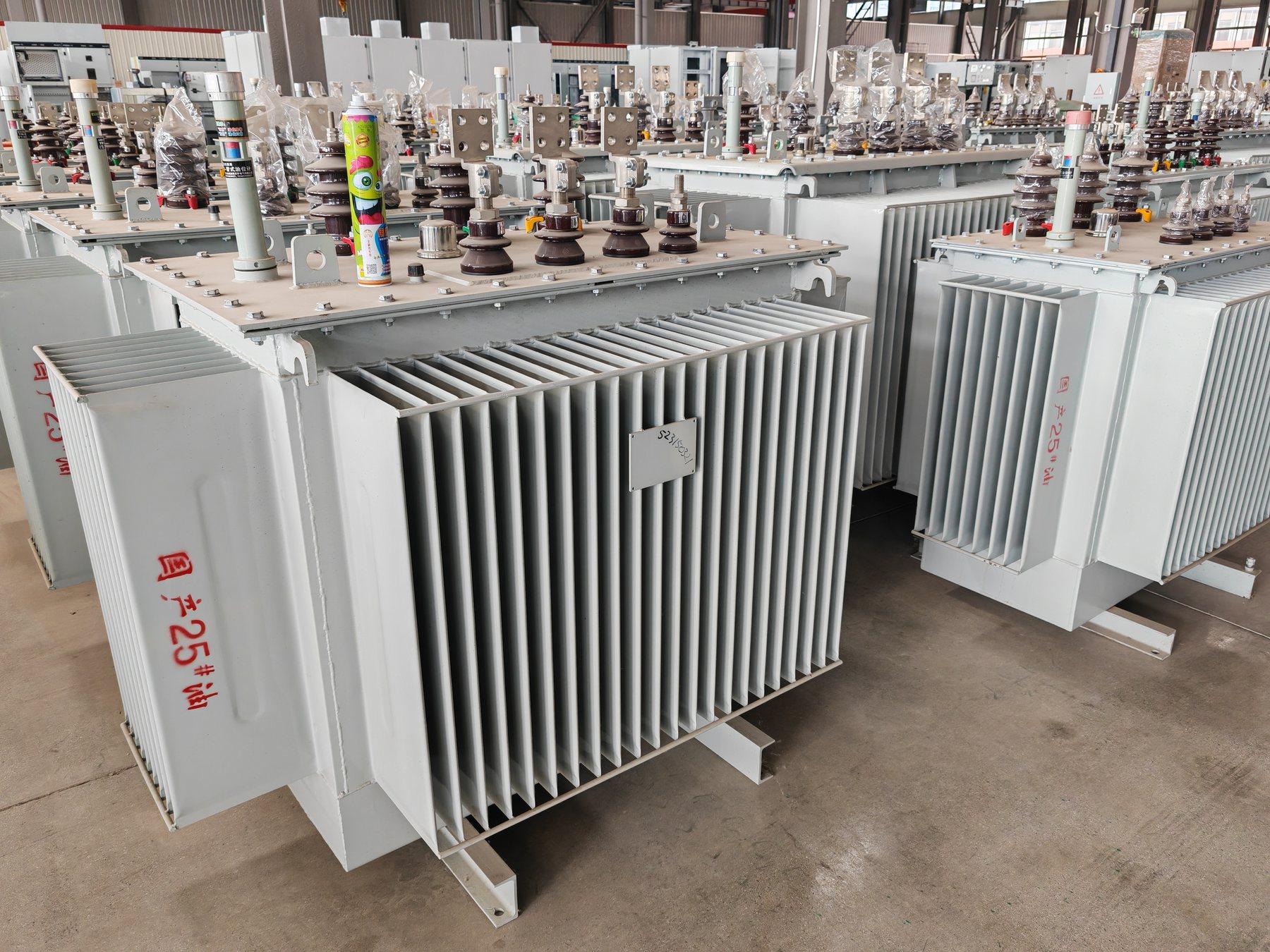
Cooling equipment affects more than temperature performance. Radiators, headers, valves, fans, pumps, control panels and sensors can change the transformer outline, foundation loads, cable routes, lifting method, oil containment, access space and maintenance plan. Two quotations can use the same transformer capacity while including different cooling hardware and site work.
Use the Oil-Immersed Transformers page to identify the product family, then attach a marked cooling schedule to the transformer quotation page. The offered arrangement, rating and cooling evidence must be confirmed for the actual model and project.
Separate the cooling decisions
| Cooling or interface area | Buyer decision | Evidence to request |
|---|---|---|
| Cooling arrangement | Which declared cooling method and operating state apply to the quoted unit? | Data sheet, cooling description and rating basis |
| Radiator or cooler body | Is the radiator, bank, cooler or heat exchanger factory-fitted, loose-supplied or by others? | GA drawing, bill of materials and supply-boundary schedule |
| Isolation and oil interfaces | Which valves, headers, drains, plugs or flexible connections are included? | Piping or accessory detail and installation instruction |
| Fans or pumps | Are forced-cooling devices included, optional, staged or excluded? | Motor data, control narrative and auxiliary load schedule |
| Temperature and alarms | Which sensors, indicators, alarms or contacts are required? | Sensor list, wiring diagram and point schedule |
| Site and maintenance | What clearances, access, lifting, cleaning and replacement space are needed? | Layout, maintenance instruction and site responsibility matrix |
| Tests and documents | Which routine checks, functional tests and handover records cover the cooling package? | Inspection plan, test record and final document register |
This table is a procurement framework, not proof that every Jinxing model includes a radiator bank, fan, pump or a particular valve arrangement. Mark project-dependent items instead of turning a generic cooling term into a product promise.
Align cooling with the transformer rating and site
The transformer cooling method selection guide explains the decision at a system level. This RFQ article narrows the scope to the physical and control interfaces that must appear in the quotation. Confirm the rated capacity, expected loading pattern, ambient condition, altitude, enclosure or open-air arrangement and any required standby or overload state before comparing cooling packages.
If forced cooling is proposed, list the motor starting demand, control power, local isolation, alarm, remote signal and failure response that the project requires. If the arrangement is natural cooling, confirm how the supplier states the rating and what room or site airflow assumptions remain with the project. Do not add a fan or change a radiator after drawing approval without checking losses, clearances, noise, control wiring and acceptance criteria.
Coordinate oil, foundation and access interfaces
Radiator and valve locations must remain accessible for inspection, draining, cleaning and replacement. Check the relationship with the oil-immersed transformer installation checklist, foundation, bund or containment, cable boxes, bushings, earthing and transport route. A radiator that fits the outline can still conflict with a wall, fence, cable trench, fire separation or lifting path.
The oil-immersed transformer accessories checklist covers the wider accessory set. Use it to collect the surrounding requirements, then keep cooling hardware and controls as separate line items. State who supplies oil, valves, flexible links, control cables, local panels, spare parts and site supervision where those items are not part of the transformer package.
Make the cooling package testable
The acceptance plan should distinguish factory checks from site work. Factory evidence may cover the quoted transformer and its fitted devices; it does not automatically prove the installed fan, pump, control cable, remote alarm, oil connection, containment or site access. For each cooling function, name the test point, operating state, expected indication, responsible party and record.
Keep the cooling schedule linked to the approved data sheet, GA, wiring diagram, auxiliary load list and maintenance manual. If the project changes the room, enclosure, load profile or control philosophy, record which cooling assumption changed and whether the quotation or drawings must be revised.
RFQ checklist
Send the following with an oil-immersed transformer enquiry:
- Voltage, capacity, frequency, phase, impedance, quantity and intended operating duty.
- Cooling method, rated state, load profile, ambient range, altitude and installation environment.
- Radiator, cooler, header, valve, drain, flexible connection and oil-containment requirements.
- Fan or pump quantity if applicable, motor data, control power, local isolation and alarms.
- Temperature devices, local indication, remote contacts, point list and failure response.
- Foundation, access, lifting, cable entry, maintenance clearance and transport limits.
- Factory inspection, routine checks, functional tests, site tests and handover documents.
- Itemized inclusions, loose items, by-others work, spares, exclusions and open decisions.
- Destination, quotation stage, requested response date and responsible approval authority.
Use the transformer quotation page and project enquiry page to submit the marked cooling schedule. Final cooling arrangement, ratings, accessories and acceptance evidence remain project-specific.
FAQ
Does every oil-immersed transformer need a separate radiator specification?
Not necessarily. The project still needs a clear cooling basis and supply boundary. Depending on the offered construction, the cooling arrangement may be integrated, attached, supplied separately or confirmed during engineering review.
Are cooling fans and pumps automatically included in the transformer price?
No. Ask the supplier to identify whether each device is included, optional, loose-supplied or by others, together with control power, alarms, wiring and testing responsibilities.
Does a factory transformer test prove the site cooling system is accepted?
No. Site connections, auxiliary power, control signals, oil interfaces, access and installed operating conditions need the project-defined inspection and acceptance records.