Quick answer
Define the dry-type transformer’s humidity, temperature, standby and ventilation conditions before deciding whether anti-condensation equipment is needed. The RFQ should state the room environment, shutdown periods, condensation concern, heater or dehumidification requirement, control power, alarms, wiring, installation boundary and pre-energization checks. Do not assume that a dry transformer is automatically suitable for every damp or unheated room.
Why room climate belongs in the quotation
A dry-type transformer can be electrically suitable while the room creates a different procurement risk. Night-time cooling, seasonal humidity, intermittent operation, open doors, construction moisture, dust and poor ventilation can affect the equipment environment. The buyer therefore needs a room and operating description, not only a voltage and capacity.
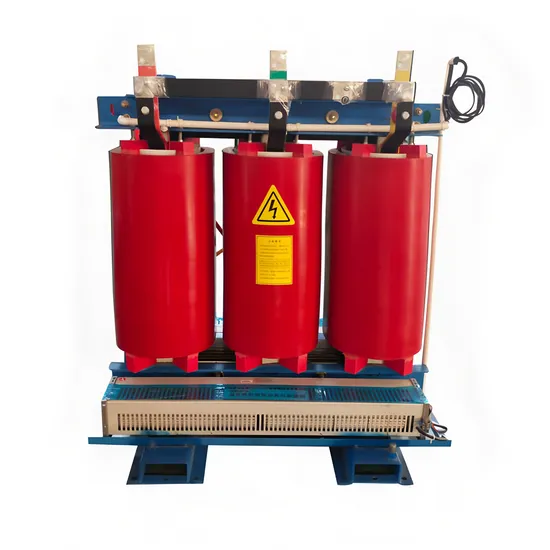
Anti-condensation is a project function. It may involve room heating, ventilation, dehumidification, a transformer-mounted heater, temperature or humidity monitoring, or a defined operating procedure. The available arrangement depends on the quoted Jinxing model and project design. Start with the Dry-Type Transformers page, then ask the supplier to mark what is factory-fitted, supplied loose, by others or still open.
Separate transformer equipment from room services
Use one schedule to show which party controls the environment and which party supplies equipment or signals.
| Scope area | Buyer decision | Evidence to request |
|---|---|---|
| Room condition | Indoor/outdoor, ambient range, humidity, dust, altitude and corrosion exposure | Site data sheet and room-service description |
| Operating state | Continuous, seasonal, standby or frequently de-energized operation | Load profile, shutdown periods and operating narrative |
| Condensation response | Room heating, ventilation, dehumidification, transformer heater, procedure or combination | Approved climate-control concept and responsibility matrix |
| Temperature and humidity signals | Local indication, alarm, trip, trend or no remote signal | Point list, sensor location and wiring diagram |
| Auxiliary power | Source, voltage, protective device, backup and terminal location | Auxiliary load schedule and single-line diagram |
| Enclosure and airflow | Open or enclosed arrangement, clearances and air path | General arrangement and ventilation calculation or statement |
| Acceptance | How the room condition and equipment response will be checked | Commissioning checklist, alarm test and handover record |
The table is a procurement framework, not proof that every heater, sensor or controller is available on every Jinxing model. Confirm the actual design before tender submission.
Define the humidity and shutdown scenario
Describe when condensation is most likely rather than writing only “humid area.” Include the expected room temperature range, periods without load, ventilation state, door operation, construction completion, storage duration and whether the transformer will be energized soon after delivery. If the room is still wet or unsealed during installation, identify who protects the transformer and who decides when energization is permitted.
A room climate decision can change the control circuit and the handover documents. If a heater or dehumidifier is supplied by the building contractor, the transformer supplier still needs the terminal, alarm and interlock information. If a transformer-mounted device is proposed, the quotation should identify its power, location, wiring and test responsibility without assuming a model-specific option.
Coordinate enclosure, monitoring and ventilation
The existing dry-type transformer enclosure selection guide addresses physical protection and installation constraints. The dry-type transformer temperature monitoring guide addresses sensing and alarm decisions. This article connects those topics to humidity and standby conditions so the RFQ does not leave the room-service boundary undefined.
Check the following interfaces:
- Clearances and airflow around the windings, enclosure and room openings.
- Sensor locations and whether a room sensor or transformer sensor controls the action.
- Alarm meaning: high humidity, low temperature, heater failure, fan failure or equipment temperature.
- Auxiliary supply, local isolator, protection, cable route, terminal strip and remote point ownership.
- Access for inspection, cleaning, replacement and safe isolation of the climate equipment.
- Storage and packing requirements before the room is dry, enclosed and ready for energization.
Do not solve a ventilation problem by adding an unapproved fan or by changing a transformer accessory after drawing approval. Record the responsible design authority and revise the affected documents together.
Make pre-energization checks explicit
Before energization, the project team should confirm that the room, enclosure, controls, sensors, earthing, clearances, cable terminations and documents match the approved configuration. The supplier and installer should agree how to record insulation or condition checks required by the project, how alarms are simulated, and how a heater, fan or dehumidifier is isolated for maintenance.
If the room climate remains outside the approved range, hold the energization decision with the responsible engineer. A catalogue statement or a generic “indoor use” label is not a substitute for project acceptance.
RFQ checklist
Send the following with a dry-type transformer enquiry:
- Voltage, capacity, frequency, impedance, quantity and intended operating duty.
- Indoor/outdoor location, ambient range, humidity, altitude, dust, salt or corrosive exposure.
- Normal load, shutdown periods, seasonal operation and expected room completion date.
- Room dimensions, enclosure choice, clearances, airflow path, openings and ventilation concept.
- Required anti-condensation response: room service, heater, dehumidifier, sensor, alarm or procedure.
- Auxiliary power, local isolation, control wiring, remote points and communications responsibility.
- Storage, transport, packing, site protection and pre-energization condition checks.
- GA, wiring, alarm, terminal, inspection, test, operating and handover documents.
- Open deviations, approval stages, destination and the quotation deadline.
Use the transformer quotation page and project enquiry page to submit the marked schedule. Final climate-control equipment, ratings and acceptance limits remain project-specific.
FAQ
Does a dry-type transformer always need an anti-condensation heater?
No. The need depends on the room, operating state, humidity risk, ventilation and project design. Ask the engineer and supplier to state the required response and who provides it.
Can a room dehumidifier replace a transformer-mounted device?
It may be part of the solution, but the responsibility, control, alarm, power and acceptance boundary must be agreed. A room device does not automatically provide the terminals or monitoring expected by the transformer package.
Is indoor installation enough evidence that condensation is controlled?
No. Indoor location alone does not define temperature, humidity, shutdown or room-service conditions. Request a project-specific environment statement and confirm the approved pre-energization checks.