Quick answer
An oil-immersed transformer RFQ should identify every required indication, alarm, trip contact, terminal, auxiliary supply and remote point. Ask the supplier to separate the physical device, local display, dry contact, communication interface, marshalling terminal, cable and test responsibility. “Remote monitoring included” is not a complete scope: the project still needs point names, normal states, failure behaviour, receiving-system ownership and approved documents.
Why alarm scope changes the quotation
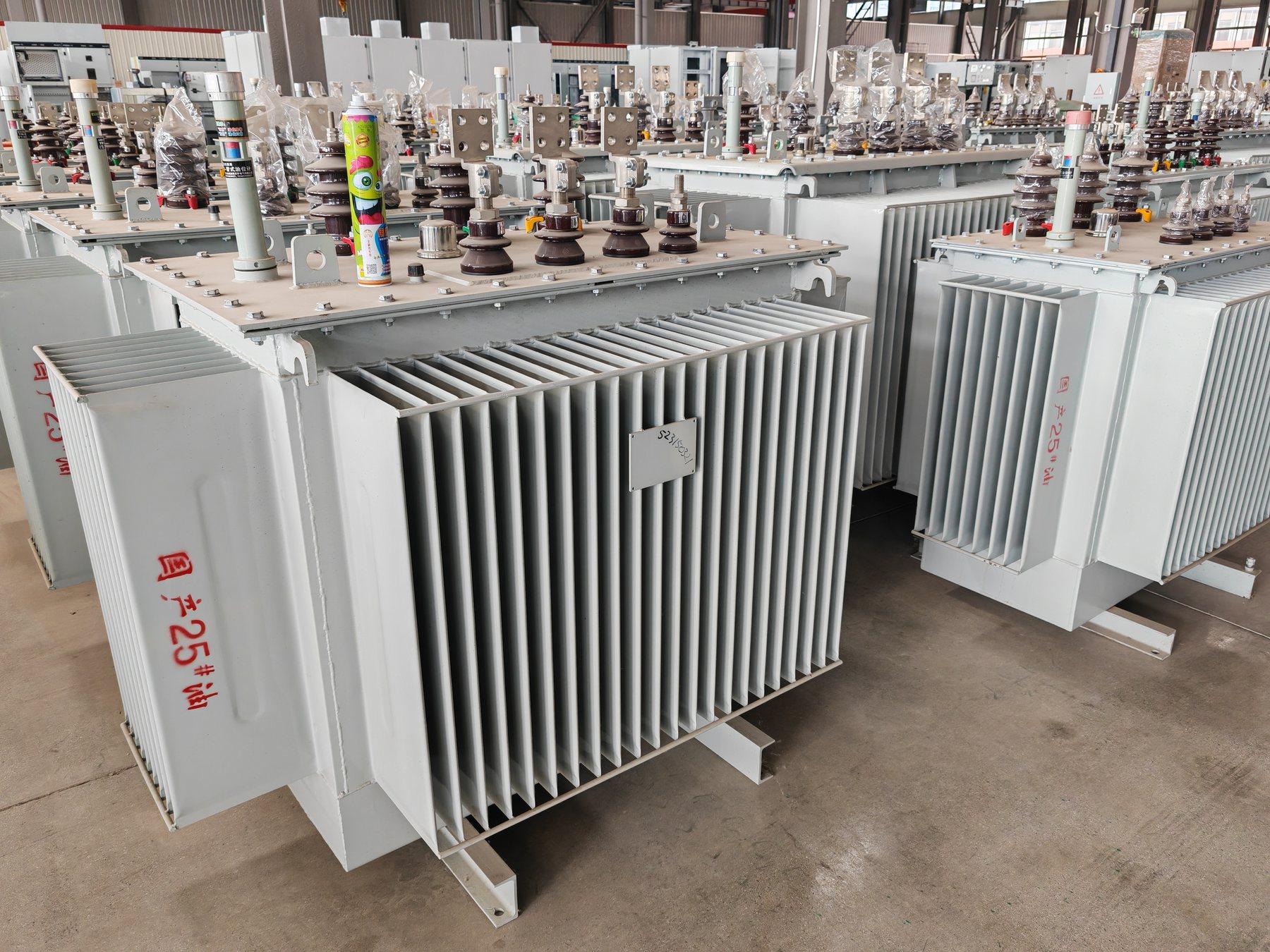
Oil-level, temperature, pressure, cooling and protection signals can be supplied in different ways. One quotation may include local indicators only; another may include alarm contacts, a terminal box and wiring to a defined boundary. Both can describe the same transformer rating while transferring different hardware, cabling, programming and commissioning work to the buyer.
Start with the oil-immersed transformer product family and attach a marked signal schedule to the transformer quotation page. The final device set depends on the offered construction, the protection philosophy and the project owner’s control system. Do not infer a Jinxing configuration from a generic accessory list.
Separate device, signal and destination decisions
| Signal or interface | Buyer decision to record | Evidence to request |
|---|---|---|
| Oil level or preservation alarm | Is local indication, a warning contact or a trip response required? | Accessory schedule, contact data and wiring diagram |
| Oil or winding temperature | Which measured value is displayed, alarmed or sent remotely? | Sensor/indicator schedule and point list |
| Pressure or vacuum condition | Is the device an indication, alarm, trip or project option? | Protection narrative and approved device data |
| Cooling status | Are fan or pump run, fail and auto/manual states required? | Auxiliary load list, control diagram and point mapping |
| Transformer trip | Which condition issues the trip and who receives the contact? | Cause-and-effect schedule and terminal allocation |
| Marshalling boundary | Where do factory terminals end and site cables begin? | Terminal plan, cable schedule and gland details |
| Communications | Are hardwired contacts, a gateway or another protocol required? | Interface specification and receiving-system responsibility |
This is a procurement worksheet, not a default list for every oil transformer. Mark each row as included, optional, by others or to be confirmed. A signal should never be considered delivered merely because a device is visible on a general arrangement drawing.
Build a point list that an integrator can test
For every point, record a stable tag, source device, normal state, alarm state, reset or latch behaviour, terminal number, cable owner and receiving system. Distinguish a normally open contact from a normally closed contact and identify what the control system should show when the auxiliary supply or communication path is lost. If an alarm is not available on a proposed model, the supplier should mark the deviation rather than silently remove the point.
The oil-immersed transformer accessories checklist provides the wider accessory context. This article narrows the decision to signals and responsibility. For example, an oil-level indicator may be a local maintenance aid, while an oil-level alarm contact becomes an interface that needs terminals, cable cores, a point name and an acceptance test. Keep those two purposes separate in the quotation.
Coordinate the signal list with cooling and tank design
The oil-immersed transformer installation checklist explains why the preservation arrangement changes the devices and access that may need review. The transformer cooling method selection guide addresses physical cooling supply boundaries. Do not copy either article’s framework into a project promise. Confirm whether the offered transformer has the relevant device, whether its contact is factory wired, and which operating states the engineer wants to see remotely.
If fans or pumps are included, list their control power, local isolation, run status, fail status and manual/automatic selection separately from transformer protection. If the project requires a remote trip, state whether the contact is a dry contact at a terminal box, a relay in a control panel or a signal delivered through a communication gateway. Those are different supply and test boundaries.
Make FAT, SAT and handover evidence match
A factory test can verify terminal labels, contact operation and simulated inputs for the supplied transformer. It cannot automatically accept the installed cable, remote I/O card, network, alarm graphics or owner response. The inspection plan should therefore identify the factory checks, site loop checks and integrated tests for each point.
Request an updated single-line diagram, control schematic, terminal plan, point list, cause-and-effect schedule, data sheet, alarm-setting responsibility and final as-built package. The transformer factory acceptance test checklist can support the broader inspection plan; use the project signal schedule to define what is actually witnessed. Record open decisions and drawing revisions before manufacturing release.
RFQ checklist
Send the following with an oil-immersed transformer enquiry:
- Transformer voltage ratio, capacity, frequency, phase, impedance, quantity and duty.
- Preservation arrangement, cooling method and any project protection philosophy.
- Required local indicators, alarm contacts, trip contacts, sensor values and remote points.
- Normal state, alarm state, reset/latch behaviour, contact form and terminal numbering.
- Auxiliary AC or DC source, local isolation, control-panel boundary and cable responsibility.
- Fan/pump run, fail and manual/automatic signals where forced cooling is proposed.
- Hardwired, gateway or communication requirements and the receiving-system owner.
- GA, wiring, terminal, point-list, cause-and-effect, test and as-built documents.
- FAT simulation, site loop checks, integrated tests, exclusions and unresolved deviations.
Use the transformer quotation page and project enquiry page to send the marked point list. Final alarms, trips, accessories, ratings and acceptance evidence require project-specific written confirmation.
FAQ
Are alarm contacts included automatically with an oil transformer?
No. The quotation must state which devices and contacts are supplied, where they terminate, who provides cables and which tests are included. A local indicator does not automatically create a remote alarm point.
Can the buyer specify only “SCADA compatible”?
That phrase is too broad for a comparable offer. State the required point names, contact form or protocol, normal states, quality or failure indication, receiving-system boundary and test method. The offered interface must be confirmed for the actual model.
Does a factory contact test prove the remote alarm is accepted?
No. Factory simulation verifies the supplied device and terminals. Site wiring, remote I/O, communications, alarm graphics and the owner’s response need their own loop and integrated acceptance checks.