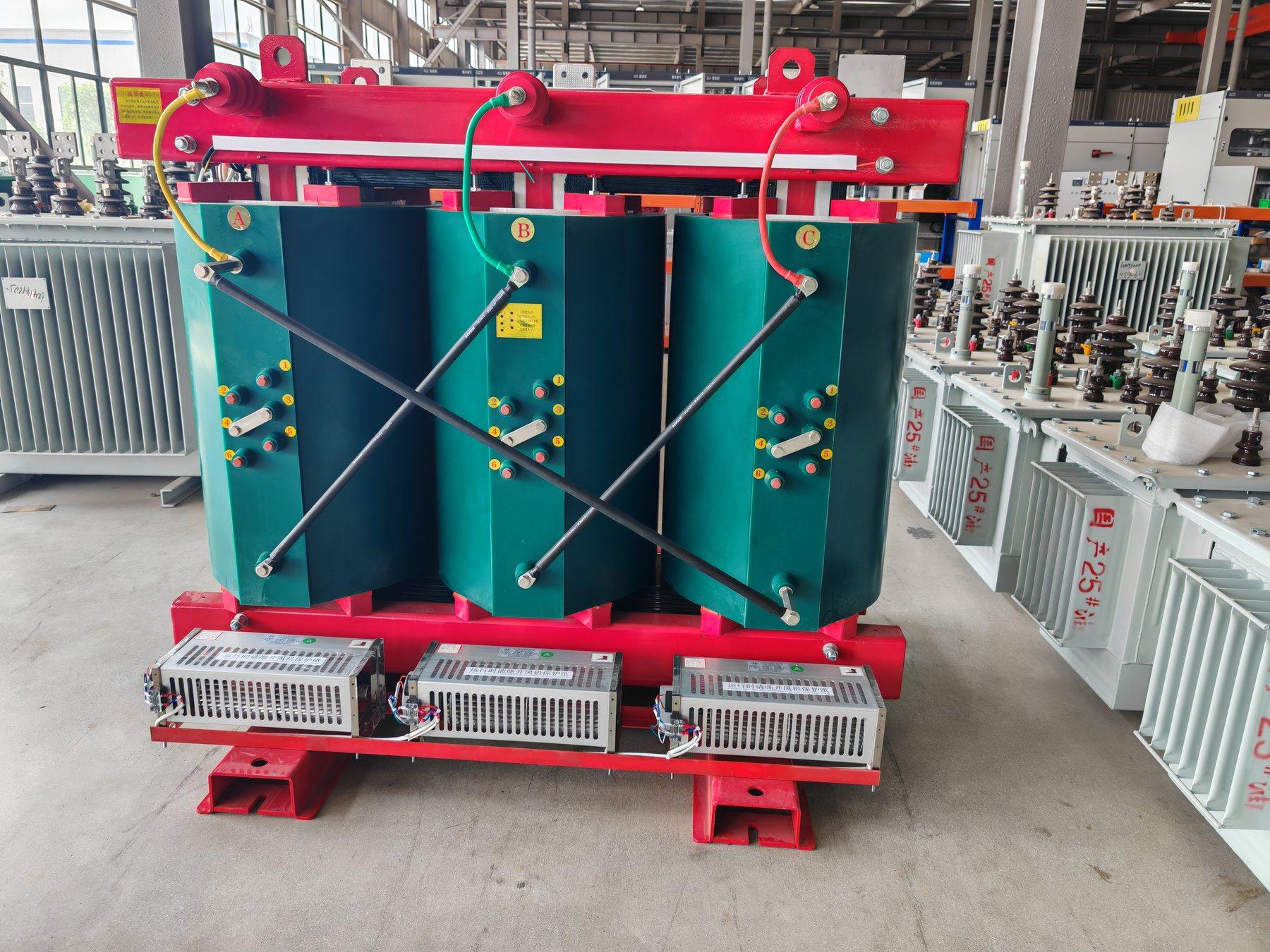
Turn the project conditions into three evidence questions
The dry-type transformer range is the commercial starting point. Before comparing quotations, ask the project engineer to distinguish moisture or pollution exposure, climatic conditions during storage and operation, and the fire-behaviour requirement imposed by the installation. These subjects can affect the documents needed for approval even when capacity and voltage ratio are unchanged.
A declaration of environmental suitability does not establish a fire class. Likewise, an enclosure protection code does not describe the transformer insulation system's response to a specified assessment. Keep these statements in separate rows of the compliance schedule. Where the tender does not define a class, submit the actual conditions for engineering review instead of copying a classification from another building.
Compare evidence on the same basis
| Review topic | Information from the buyer | Evidence required from the offer |
|---|---|---|
| Environmental exposure | Indoor room conditions, condensation, dust and unusual contamination | Applicable environmental declaration, construction description and supporting report |
| Climatic conditions | Operating, storage and transport temperature conditions | Declared classification and the conditions covered by its evidence |
| Fire behaviour | Building specification and the engineer's required classification | Applicable fire-behaviour statement and report identity |
| Tested design | Offered winding, insulation and construction details | Explanation connecting the tested design with the quoted transformer |
| Edition and method | Named contractual standard and edition, if specified | Test method, report date, laboratory identity and declared limitations |
| Approval boundary | Owner, consultant and local approval responsibilities | Document schedule, deviations and unresolved technical questions |
The review outcome is a traceable document set. It is not a reason to select the highest-looking class without considering whether that requirement belongs to the project. Ask for alternatives to be priced and described separately, with the effect on the offered construction made clear.
Read the report beyond its cover page
Record the report number, date, tested specimen identification, relevant classification, test method and result. Check whether the report names a transformer, an insulation material, a component or a wider design family. A material document is not automatically a transformer assessment. If the supplier relies on a related design, ask for a written applicability statement explaining the differences and the basis of the claim.
Do not convert an old report into a current certification claim merely by attaching it to a quotation. The project approval authority should decide which evidence is acceptable under the contractual edition. The dry-type transformer testing checklist supports the broader inspection package; the class-evidence schedule should identify the particular statements being accepted.
Keep room and handling requirements in the contract
A declared classification does not remove the need to define the transformer room. Use the anti-condensation and room-climate guide to allocate room ventilation, humidity control and any auxiliary heating requirements. The quotation should identify whether the transformer, enclosure, room controls and site cables are separate deliverables.
Transport and temporary storage can differ from the eventual operating room. A unit delivered to an unfinished building may wait while construction continues. Provide the expected storage environment and ask for the preservation instructions and inspection responsibilities. Where delivery is split, the transport split and reassembly guide helps define which conditions and documents apply to each shipped assembly.
Example: a report exists, but approval is still open
An EPC purchaser receives a report with a class declaration, while the quotation offers a different enclosure and an insulation description that has not been finalized. The useful response is to list the differences, obtain the offered design identity and ask the engineer whether the evidence remains applicable. Approving the quotation because the report cover contains the requested letters would leave the central design comparison unanswered.
RFQ checklist
- Required capacity, voltage ratio, frequency, phase, duty and quantity.
- Operating-room exposure, condensation risk and contamination information.
- Storage and transport conditions that differ from normal operation.
- Required environmental, climatic and fire-behaviour classifications.
- Contractual standard, edition and owner approval procedure.
- Offered winding, insulation system, enclosure and design identification.
- Report number, tested specimen, result and applicability statement.
- Document language, drawing revisions, deviations and approval milestones.
- Room controls, preservation instructions and site inspection ownership.
Send the class schedule through transformer quotation or the project enquiry page. Jinxing must confirm the offered construction and available evidence for the project; this guide does not declare a class for every model.