Put the protection requirement on the system drawing
The dry-type transformer range should be considered together with its incoming connections and surrounding equipment. The project engineer should identify where surge protection is required, the relevant system conditions and which equipment package owns each device. A requirement shown only in a general specification can be missed if the transformer and switchgear suppliers each assume the other has included it.
Mark the transformer terminals, cable or other incoming connection, switchgear boundary and intended arrester locations on the project drawing. Provide the study inputs requested by the engineer, including system voltage conditions, earthing arrangement and transformer insulation data. This guide defines the procurement interface; it does not prescribe ratings, protective distances or a field installation method.
Separate the study from the purchased hardware
| Interface | RFQ decision | Deliverable to request |
|---|---|---|
| Engineering selection | Who determines device suitability and the protection arrangement? | Approved study basis and equipment-selection schedule |
| Device supply | Are arresters supplied with the transformer, switchgear or by another party? | Itemized device schedule and exclusions |
| Transformer insulation | Which offered transformer data is required by the study? | Approved insulation data and relevant report scope |
| Mounting | Where and how are the proposed devices integrated? | Offered mounting arrangement and space requirements |
| Connections | Who provides the specified conductors, terminals and fittings? | Interface drawing and connection-material scope |
| Earthing | How does the device connect to the project's earthing arrangement? | Connection boundary and engineering responsibility |
| Inspection | What is checked at the factory and after installation? | Device records, assembly checks and site acceptance scope |
The device schedule should identify the offered equipment and the engineer's approved requirements. Avoid leaving a generic “standard arrester” line where the contract needs traceable data and an accepted selection basis.
Keep surge protection distinct from inrush protection
The transformer inrush and protection brief addresses energization and the protection response to current conditions. That review should not be substituted for the surge-protection and insulation-coordination question. Similarly, a temperature controller monitors a different aspect of transformer duty. Maintain a separate row for each function and its owner.
The neutral-earthing RFQ guide helps establish system connection information needed by the broader design. Procurement should request that information rather than assuming a transformer connection symbol fully describes the project earthing conditions. The engineer decides which conditions are relevant to the arrester selection.
Freeze physical boundaries before drawing approval
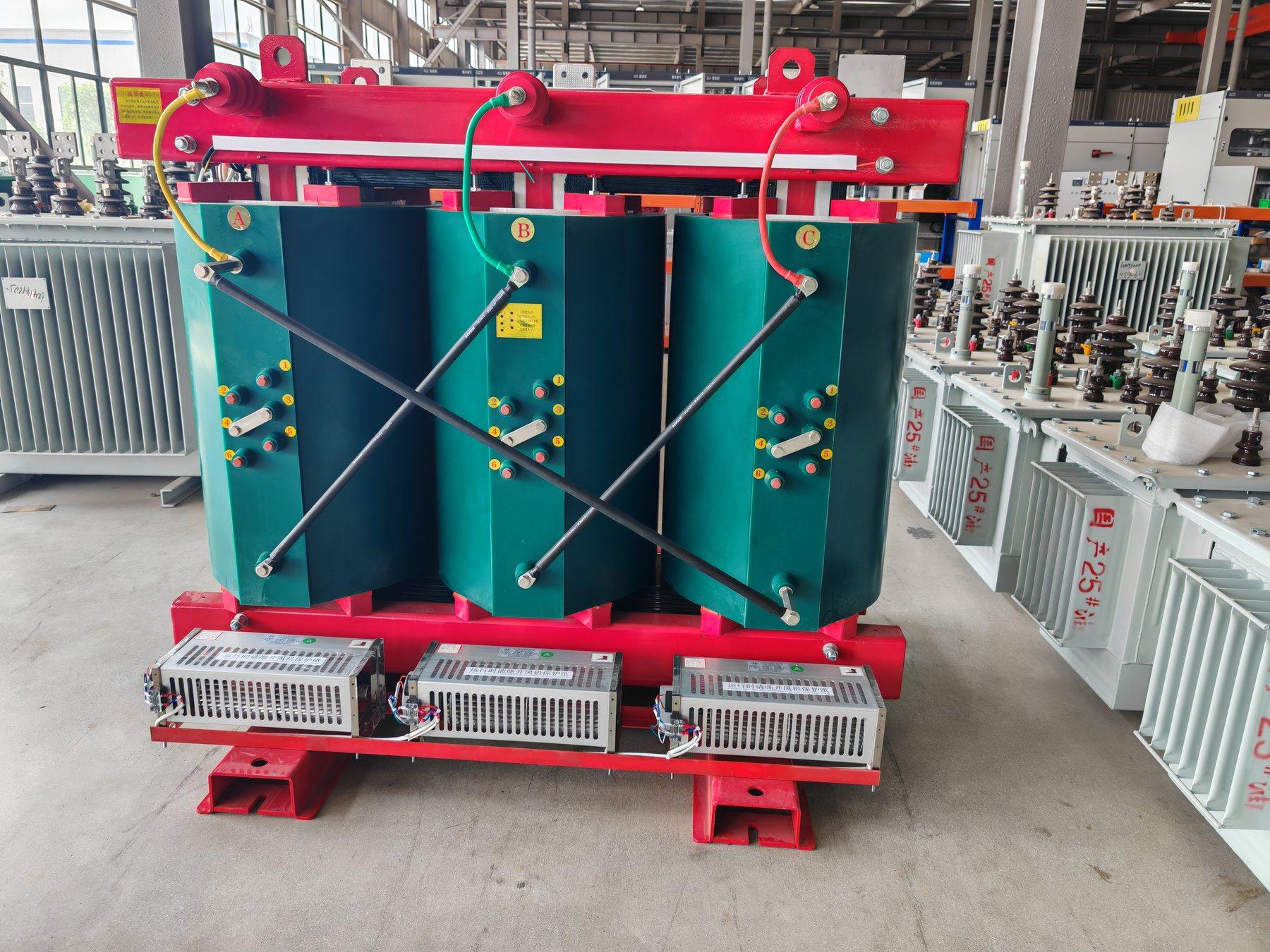
The manufacturer needs the approved equipment arrangement and connection assumptions to review mounting and terminal interfaces. Ask whether arresters are inside an enclosure, associated with a cable termination or supplied as separate project equipment. Confirm the space, access and documentation implications for the actual offered construction. No location should be assumed available from a general product photograph.
List separately any supports, brackets, terminal adaptors, cables, earth connections and site installation materials. Where another contractor supplies the devices, require the transformer supplier to identify the dimensions and connection information needed to complete the interface review. This can prevent a quotation gap without making an unsupported claim that every transformer accepts every arrangement.
Example: both packages exclude the same device
A project drawing shows surge protection near the transformer, but the switchgear quotation excludes downstream accessories and the transformer offer states “external protection by others.” The missing device and connection scope should be resolved in the responsibility matrix before award. The engineer then approves the complete arrangement, while each supplier confirms the hardware and documents it actually supplies.
Use the transformer accessory bid-comparison guide to compare that resolved scope. A lower equipment price is not directly comparable when it transfers protection hardware, mounting work or study obligations to the buyer. Record alternatives separately and retain the agreed arrangement in the approved drawings.
Agree inspection and handover evidence
Request the device identities, applicable manufacturer data, approved interface drawing, equipment records and inspection requirements. Identify which assembly checks can occur at the factory and which depend on site installation. A transformer's routine electrical tests should not be represented as proof of the entire installed surge-protection scheme.
Preserve the approved device schedule and connection boundaries with the final transformer documents. If a future replacement changes an arrester, cable arrangement or transformer insulation data, the project should identify whether the protection assessment requires review. The transformer test-report guide supports traceability of the transformer evidence within that package.
RFQ checklist
- Transformer duty, rating, voltage ratio, connection and insulation information.
- Marked system drawing and proposed protection locations.
- Project engineer responsible for selection and insulation coordination.
- Required system conditions and study deliverables.
- Device supply, mounting hardware and terminal interface scope.
- Connection conductors, fittings, earthing and installation boundaries.
- Drawings, device data, approval milestones and deviations.
- Factory assembly checks, site acceptance and handover records.
Attach the responsibility matrix to transformer quotation or contact Jinxing. Device suitability and supply availability must be confirmed for the proposed project arrangement.