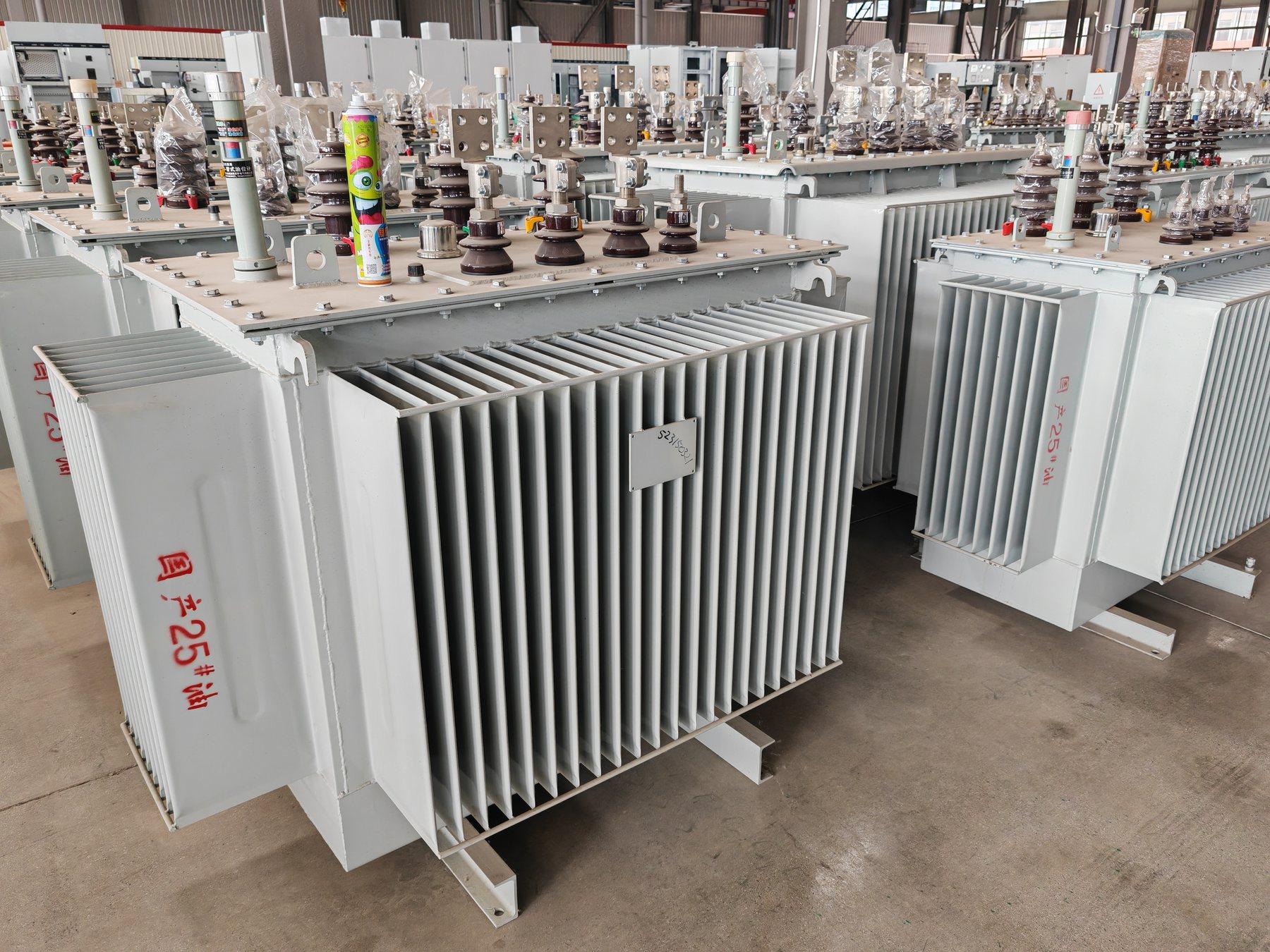
Define the equipment being protected
The oil-immersed transformer range should be selected against the project network study. Fault-current calculation and transformer withstand are connected, but they answer different questions. Calculation estimates the duty imposed by the system. Withstand evidence addresses the transformer's response to that duty within the stated assessment conditions.
Use the transformer impedance selection guide for the effect of impedance on network current and voltage performance. In the procurement schedule, add a separate line for the ordered transformer's withstand evidence. Otherwise, a quotation can contain the specified impedance while leaving the actual design-assessment deliverable undefined.
Put the fault assumptions beside the evidence
| RFQ input | Why it matters | Supplier response to request |
|---|---|---|
| Network arrangement | Source and connection states determine the relevant duty | Accepted study assumptions and outstanding inputs |
| System fault information | The transformer cannot be reviewed from kVA alone | Design basis used for the offered transformer |
| Fault duration | Thermal assessment depends on the specified time basis | Declared duration and assessment reference |
| Mechanical duty | Electrodynamic effects need their own assessment | Applicable mechanical assessment or test evidence |
| Tap and winding arrangement | The assessment must correspond to the design under review | Offered tap range, winding identity and applicability statement |
| Evidence method | A test report and a calculation are different deliverables | Itemized report, calculation or test commitment |
| Approval responsibility | Procurement needs a decision on any differences | Engineer acceptance, deviation or open action |
This schedule requests evidence; it does not define a universal fault current, duration or acceptance tolerance. The engineer should provide those requirements from the project and applicable contractual method.
Distinguish routine records from withstand evidence
The transformer test report guide helps connect routine records to the purchased unit. Those records are useful for confirming manufactured parameters and document identity. They should not be relabelled as a short-circuit withstand test when the recorded procedure did not perform that assessment.
Ask the supplier to identify the evidence route proposed for this purchase. If a test report from a related design is offered, request the specimen rating, winding construction, principal differences and a written explanation of relevance. If calculations or design assessment are proposed instead, define their scope, input assumptions and review deliverables. Whether that route satisfies the tender is a project approval decision, not a conclusion that procurement should make from a report title.
Keep design changes visible after award
A change in rating, tap arrangement, winding construction or another material design feature may require the evidence applicability to be reviewed. Put that review in the drawing approval workflow rather than treating the accepted report as permanently applicable to any later variation.
The technical deviation schedule guide provides a practical place to record the requested clause, supplier response, supporting evidence and approval. For an alternative design, ask for a clear comparison with the base offer. The commercial comparison should include the actual documentation and testing scope, together with exclusions, witness requirements and any unresolved engineering work.
Example: the rating matches but the report does not
Two offers state the same transformer capacity and voltage ratio. One includes an identified design assessment; the other attaches a report for a different construction without an applicability explanation. The second price is not yet comparable. Request the missing design connection and ask the engineer to determine whether additional evidence is needed before treating the two offers as equivalent.
The factory acceptance test checklist can then incorporate the agreed document review and witness points. Do not assume that a normal FAT visit includes a special short-circuit test or that site commissioning substitutes for the agreed design evidence.
RFQ checklist
- Capacity, voltage ratio, phase, frequency, connection, taps and quantity.
- System arrangement, source information and permitted parallel operating states.
- Relevant fault duty, duration and contractual assessment requirements.
- Thermal and mechanical withstand evidence requested by the engineer.
- Required report, calculation, design assessment or additional test scope.
- Tested-design identity and applicability to the offered construction.
- Approval authority, deviations and changes requiring renewed review.
- Witness points, document language, delivery milestones and exclusions.
- Final manufactured-unit records and connection to approved documents.
Attach the duty and evidence schedule to transformer quotation or contact Jinxing. Final ratings and proof of the offered design require written engineering confirmation.