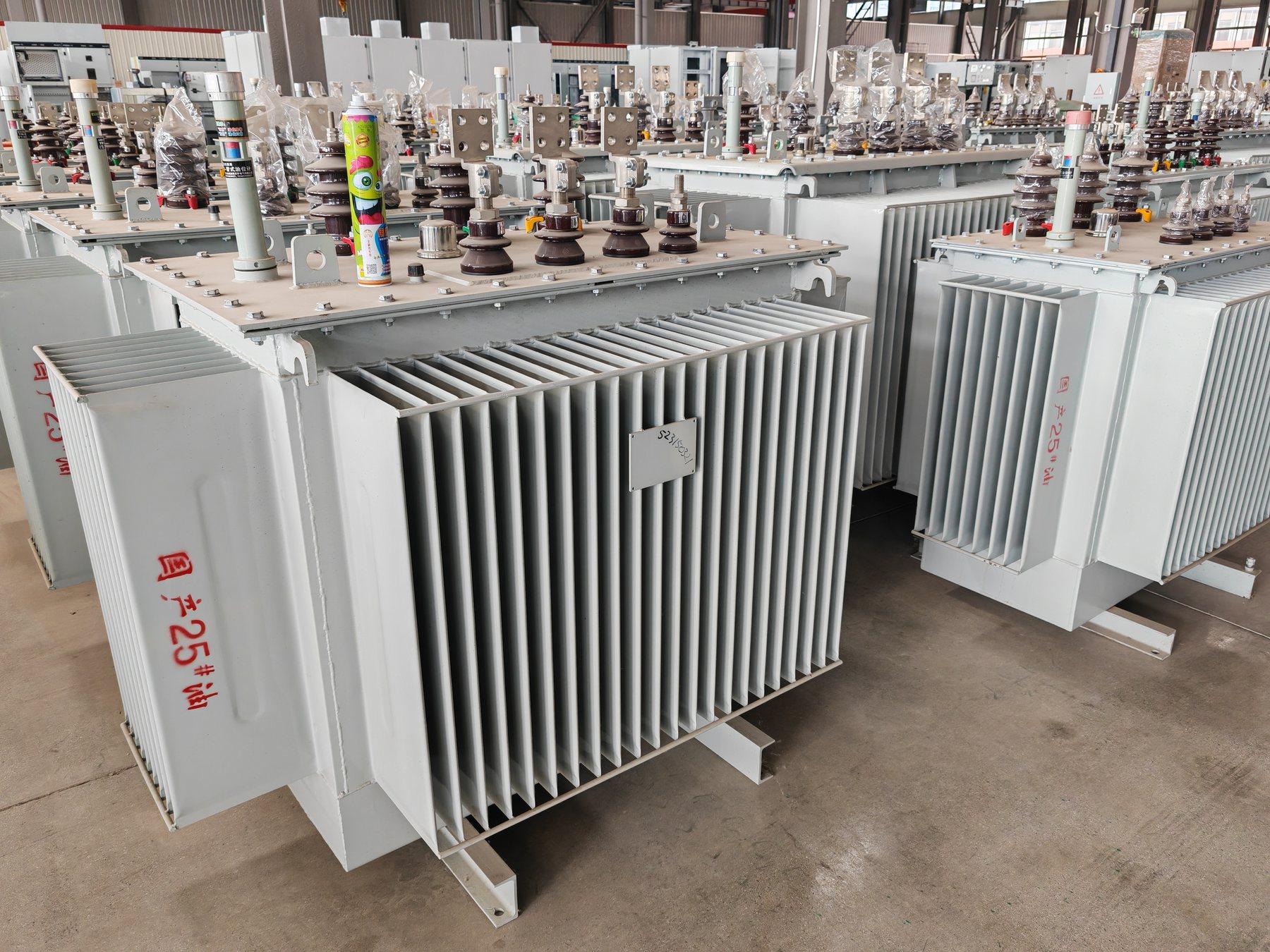
Define what the baseline is intended to describe
The oil-immersed transformer range should be supplied with a project-specific document schedule. For oil evidence, start by naming the question: is the owner checking delivered oil quality, establishing a post-manufacture reference, assessing the condition after transport, or creating a commissioning baseline? Each purpose can require a different stage and record.
Do not merge routine oil-property tests and dissolved gas analysis into one unnamed certificate. They provide different information and need defined methods and interpretation. This guide sets the procurement boundary; it does not provide sampling instructions, diagnostic thresholds or permission to energize equipment. Those decisions belong to the applicable procedures and the project's responsible specialists.
Build a stage-by-stage evidence schedule
| Stage or decision | What the RFQ should state | Record to request |
|---|---|---|
| Oil supplied to the factory | Whether an oil-supply quality document is required | Oil identification and applicable supplier/laboratory records |
| Completed transformer | Which tests or baseline analysis are required after the agreed manufacturing stage | Unit identity, sampling stage, method and report |
| Before dispatch | Whether the evidence must be reviewed before shipment release | Inspection hold point and approval status |
| Arrival and site assembly | Whether transport or site work requires another sample | Site procedure and responsibility for the resulting record |
| Commissioning | Who establishes and accepts the operational reference | Approved commissioning plan and baseline report |
| Later comparison | How records and sample identities remain traceable | Handover register and document retention format |
State whether a row is included, optional, by others or not required. The same project may need several records, but procurement should not invent additional tests without a defined engineering purpose.
Make sample identity traceable to the unit
Every requested report should identify the transformer or relevant oil batch, the sampling point or source as applicable, the date, the stage, the person or organization responsible and the laboratory method. Request the record format and laboratory identity before award if the owner's approval process depends on them. A file named “oil certificate” is not enough to establish what was sampled.
The transformer nameplate approval guide helps maintain consistent unit identification. Use that same equipment identity across the inspection plan, laboratory request, report and handover register. Where several transformers share one order, the document schedule should prevent a report for one unit being attached to another without explanation.
Allocate sampling, handling and interpretation
Ask who supplies suitable containers, performs sampling, arranges laboratory transport and pays for the analysis. Specify the expected report language, electronic format, delivery milestone and responsibility for investigating an unexpected result. The supplier should describe which tasks are factory scope and which belong to the site team.
Sampling and sample handling can influence the usefulness of the result. Require an approved procedure and qualified responsibility rather than placing a generic sampling instruction in the purchase order. An analysis report also needs interpretation in context: the test stage and relevant equipment history should accompany any acceptance decision. Do not define a universal pass value from an unrelated transformer or a single online chart.
Coordinate factory release with the site plan
The transformer factory acceptance test checklist can carry the agreed hold points, document review and witness requirements. Identify whether the laboratory report is needed before dispatch, before final acceptance or at another contractual milestone. If an additional site sample is required, state who owns that activity and how it interacts with the commissioning plan.
The oil-immersed transformer maintenance checklist addresses the broader maintenance context. Preserve the accepted baseline and relevant conditions so later specialists have a useful reference. A shipment-stage report should not be presented as a permanent guarantee of future oil condition.
Example: an oil-batch report is offered instead of a unit baseline
An owner requests a reference after factory testing, but the quotation includes only the incoming oil supplier's document. The missing deliverable is not resolved by renaming the existing file. The supplier should state whether sampling and analysis of the completed transformer are included, when they occur and who reviews the resulting report. That clarification makes the offers comparable before order.
RFQ checklist
- Transformer rating, voltage ratio, construction, quantity and unit identification.
- Purpose of each requested oil test or dissolved gas analysis.
- Sampling stage and any required dispatch or commissioning hold point.
- Applicable method, laboratory identity and owner acceptance process.
- Sampling, containers, handling, transport and analysis responsibilities.
- Required sample/source identity, date and equipment history fields.
- Report language, electronic format, timing and handover register.
- Investigation responsibility for unexpected results and retest scope.
- Site sampling, commissioning and later baseline retention arrangements.
Submit the evidence schedule through transformer quotation or contact Jinxing. The actual tests, methods and acceptance conditions must be confirmed for the project.