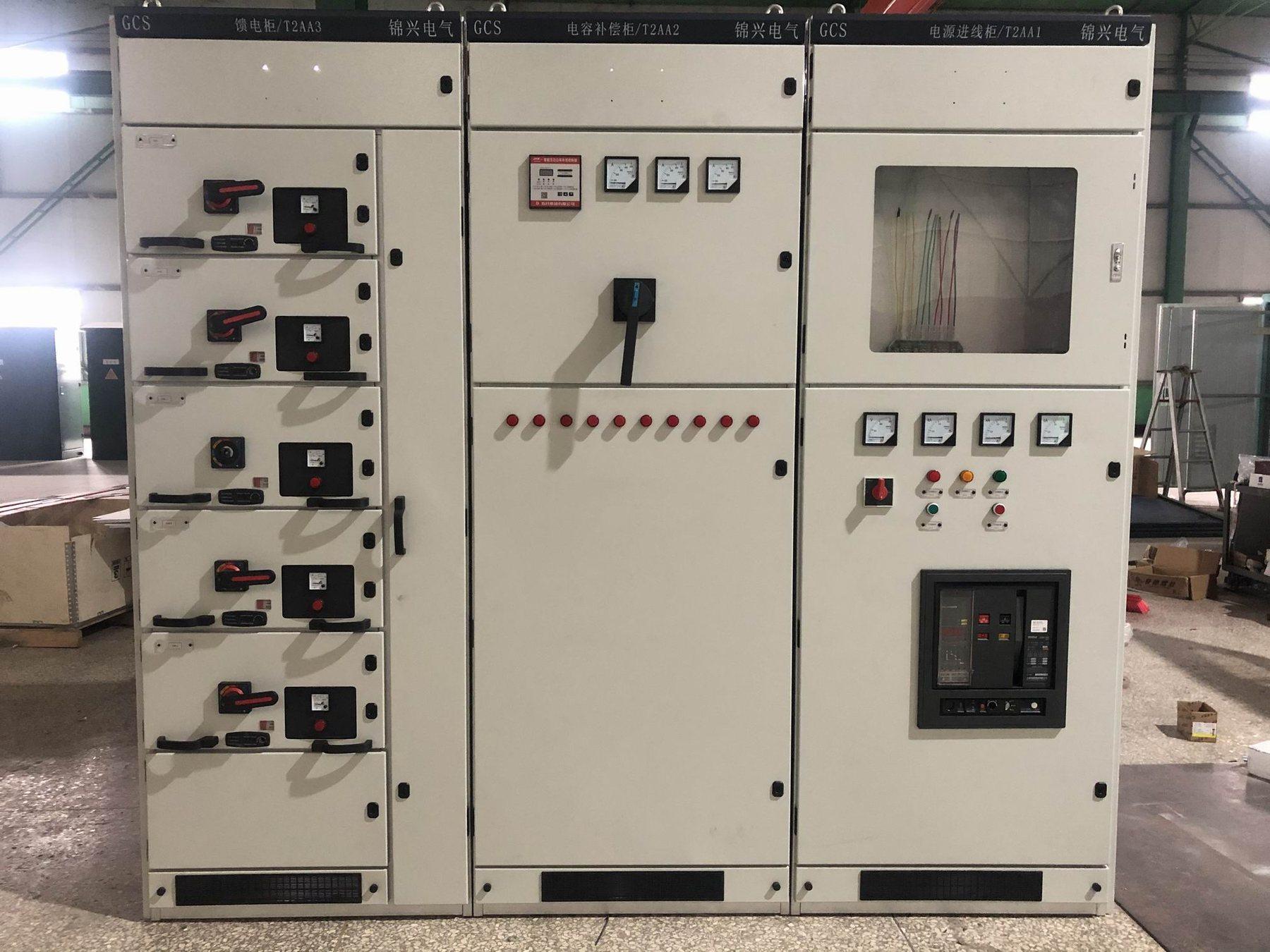
Explain what “spare feeder” means in this panel
Start with the future load and the panel arrangement. Record whether the feeder will serve a motor, distribution board, transformer, HVAC load, tenant supply, generator or another defined duty. Add the expected rating, fault level, cable arrangement, control mode, metering and timing when known. Mark unknown information as open rather than silently selecting a default breaker or cable size.
| Provision | Installed now | Future work and uncertainty | Evidence to request |
|---|---|---|---|
| Equipped spare feeder | Functional device, bus connection, compartment and identified accessories for the defined duty | Cable, final settings, load confirmation and operating integration | Feeder schedule, device identity, settings basis and factory test record |
| Prepared feeder interface | Factory-defined compartment, bus or terminal provisions and documented space | Device, protection, wiring, termination, testing and possible design review | Arrangement drawing, compatible device list and installation method |
| Reserved space only | Dimensions, access route and a stated boundary | New functional unit, bus work, cables, protection, controls and tests | Layout, reserved dimensions and future connection concept |
An empty compartment does not automatically reserve a bus connection or a verified short-circuit arrangement. Conversely, a fitted breaker does not complete the future cable, settings or system study.
Check the assembly interface, not only the module size
IEC 61439-1:2020 gives general definitions, service conditions, construction requirements, technical characteristics and verification requirements for low-voltage assemblies. It does not decide which spare feeder is appropriate for a project, guarantee compatibility of a future device or approve a local installation. Apply the relevant assembly part and project requirements to the offered panel. See the IEC 61439-1 publication.
Ask the supplier to mark the busbar connection, phase arrangement, neutral and protective conductor path, cable entry, terminal space, shutters or barriers, interlocks, control supply and access needed to install the future feeder. Confirm whether the provision is fixed or withdrawable and whether the future device must remain within the same product family. Voltage and current alone do not establish interchangeability.
Treat an installed spare feeder, an equipped module and empty space as different purchases. Ask the supplier to identify the actual device, bus connection, compartment, control wiring and installation method included in each option. For future work, request the compatibility information and assessment responsibilities needed before a circuit is added. Do not assume that an empty position accepts every later device or that reserved space proves the thermal duty of an unspecified future load. Put the selected option on the panel and feeder schedules.
Price the future work honestly
Compare the initial panel price with the future cost and operational risk. For an equipped feeder, ask whether the unused device needs a defined rating, protection settings, metering, control supply and factory testing now. For a prepared interface, price the compatible functional unit, installation labour, outage, field testing and updated drawings. For reserved space, include the future bus work, cable route, protection coordination and any panel modification risk.
The comparison should also show what happens to the live panel while the future feeder is installed. A future extension may require isolation, access from the front or rear, removal of barriers, a new cable route or a shutdown of adjacent circuits. Do not promise an outage-free addition from the word “spare.” The panel construction and site operating rules determine the work method.
Keep form of separation and maintenance goals visible
If the project requires a particular form of separation, record how the spare provision preserves it after the future device is installed. A reserved floor area does not prove that the final assembly will maintain the required segregation. Likewise, a withdrawable module may have different terminal, interlock and test positions from a fixed feeder.
The existing spare switchgear panel or future extension guide addresses a broader panel-extension decision. The LV form-of-separation guide and cable-entry and termination-space guide cover related layout questions; this article focuses on the exact feeder items purchased now. Use the Jinxing low-voltage switchgear page to identify the product family and the project enquiry page to request an itemised scope.
Example: a phased commercial building
Suppose a building has one future tenant whose load and protection study are not yet approved. The buyer can compare an equipped spare feeder with a prepared interface and with reserved space. Each quotation should state the initial breaker or omitted device, bus and compartment provisions, cable entry, control and metering wiring, future outage, compatible equipment, tests and drawing updates. The most attractive initial price is not necessarily the lowest delivered cost when the tenant is connected.
RFQ checklist
- Future load, feeder duty, rating, fault level and expected connection date.
- Fixed or withdrawable arrangement and required form of separation.
- Breaker or fuse, bus connection, neutral/earth path, cable termination and metering.
- Protection, control, auxiliary supply, interlocks and communication provisions.
- Choice being compared: equipped feeder, prepared interface or reserved space.
- Compatible device list, installation access, outage and future testing method.
- Factory verification, site checks, settings review and drawing handover.
- Explicit installed, supplied-loose, reserved and excluded items.