Quick answer
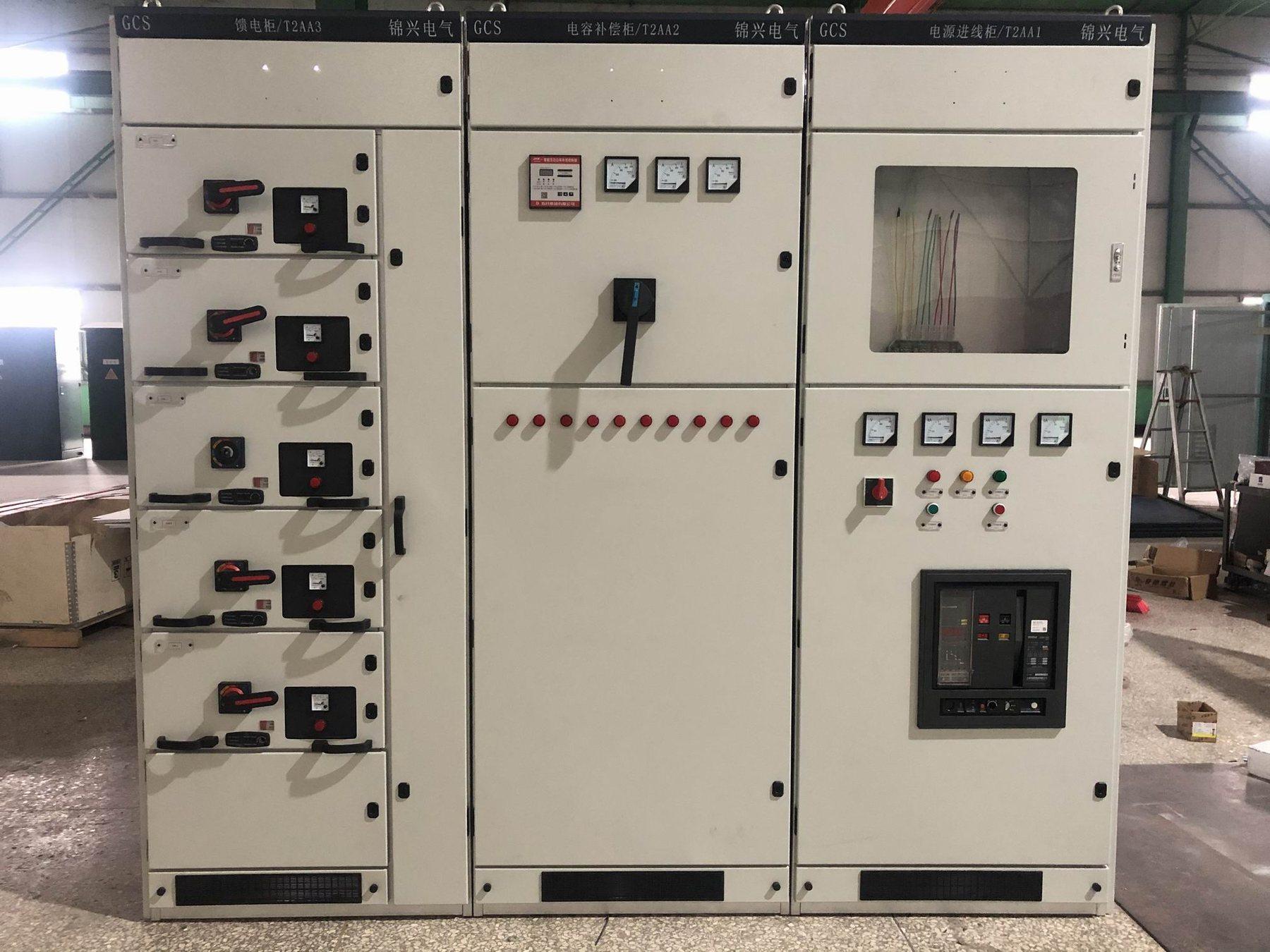
An LV switchgear IP rating is only useful when the RFQ also describes the room, cable entries, ventilation, condensation, dust, water exposure and maintenance access. State the required enclosure protection at the accessible faces and at every cable or busduct opening, then ask the supplier to show how the proposed construction, doors, gland plates, louvers, seals and internal separation achieve it. The final IP code, materials and test evidence must be confirmed for the actual Jinxing panel and installation.
Why an IP number alone is not a complete specification
The low-voltage switchgear product family can be installed in different rooms and package arrangements. A buyer who writes only “IP-rated LV panel” leaves open the exposed faces, door condition, ventilation openings, cable entry method, roof or plinth interface, and whether the rating applies before or after site modifications. These gaps often reappear as exclusions after the quotation is awarded.
Treat enclosure protection as an interface between the panel and the building. The substation enclosure IP rating guide addresses a packaged substation context; this article focuses on the LV switchboard itself and the openings, accessories and room conditions that can change the quoted boundary.
Record the environment and the exposed faces
| Project condition | Buyer decision to record | Evidence to request |
|---|---|---|
| Indoor or outdoor location | Where is the panel installed, and which faces are exposed during operation and maintenance? | Room or outdoor arrangement, GA and environmental schedule |
| Dust or water exposure | What dust, washdown, dripping, spray or humidity can reach the enclosure? | Site data, cleaning method and required protection class |
| Cable entry | Are cables top, bottom, side, gland plate, busduct or a combination? | Cable schedule, entry drawing, gland and sealing details |
| Ventilation | Which openings are needed for heat rejection, and how are they protected? | Heat-load review, louver/filter details and temperature limits |
| Condensation | Is a heater, anti-condensation measure or room control required? | Humidity range, control wiring and maintenance responsibility |
| Corrosion | Are coating, stainless hardware or material changes required? | Atmosphere classification, coating requirement and inspection plan |
| Maintenance access | Can doors open and cables be serviced without removing seals or adjacent equipment? | Service clearances, removal route and access drawing |
| Site modifications | Who drills, seals, paints or replaces plates after delivery? | Supply-boundary matrix and handover inspection record |
Mark each row as included, optional, by others or to be confirmed. A higher quoted IP code does not automatically cover an unsealed cable opening or a site-installed louver.
Coordinate doors, glands, busduct and ventilation
The LV panel cable-entry and termination-space guide helps freeze conductor bending space and termination access. Add the sealing and protection requirement to the same drawing. For a bottom entry, identify the gland plate material, removable sections, cable quantity, compression glands and fire or water sealing boundary. For a busduct connection, show the flange, flexible link, phase barriers, neutral and PE path, and the building opening.
Ventilation is a design trade-off. Louvers, filters and fan openings may be needed for heat removal, but they also create paths for dust or water. Ask the supplier to identify the calculated heat basis, opening location and protection treatment rather than accepting an unqualified “natural ventilation” note. If anti-condensation heating is proposed, state the auxiliary voltage, control mode, terminal boundary and test responsibility.
Doors, removable covers and inspection windows must be reviewed in both closed and maintenance positions. The panel may meet its intended protection when closed but lose that protection after a field cutout, temporary cover or cable replacement. Capture the restoration method in the RFQ and handover documents.
Make materials and site responsibility explicit
An indoor clean electrical room and a coastal, dusty or washdown area may require different coating, hardware and sealing decisions. Do not infer a corrosion category or outdoor suitability from a product family name. Provide the site environment and request a marked deviation for any material, coating, gasket or fastener that differs from the project requirement.
The LV switchgear manufacturers checklist and low-voltage switchgear testing guide support supplier and inspection review. Add enclosure evidence to the same package: approved GA, door and gland details, material/coating schedule, protection-class statement, inspection points, test basis and site sealing method. The supplier should identify which tests are factory checks and which protections must be verified after installation.
RFQ checklist
Send these items with a low-voltage switchgear enquiry:
- Indoor or outdoor location, room dimensions, ambient range, humidity and altitude where relevant.
- Required IP code by enclosure face, door condition and maintenance state.
- Dust, water, washdown, condensation, corrosion and cleaning exposure.
- Cable, busduct or mixed incomer/outgoing entry arrangement and building openings.
- Gland plate material, removable sections, cable quantity, sealing and fire-stopping boundary.
- Ventilation, filters, fans, heaters, louvers, auxiliary voltage and control responsibility.
- Coating, gasket, fastener and material requirements for the site atmosphere.
- Door swing, service clearance, removal route and access for terminations.
- GA, section, gland, busduct, ventilation, material and supply-boundary drawings.
- Factory inspection, enclosure evidence, site sealing checks, exclusions and as-built documents.
Use the low-voltage switchgear product page and project enquiry page to send the environment schedule. Ask Jinxing to confirm the actual IP scope, openings, materials, tests and site responsibilities for the proposed panel.
FAQ
Does a higher IP rating solve condensation inside an LV panel?
No. Condensation depends on temperature, humidity, ventilation and operating conditions. Specify the environment and any heater or room-control requirement separately from the enclosure protection class.
Does the quoted IP rating cover cable glands installed on site?
Only when the quotation and installation method say so. Cable entries, gland plates, busduct flanges and field sealing can change the finished protection. Assign each interface and require an inspection method.
Can the supplier choose the IP code from the product family?
The supplier can propose a construction, but the buyer should provide site exposure, access and building-interface data. The final code, materials, openings and evidence must be approved for the actual project.