Quick answer
A compact substation noise requirement should define the measurement point, operating condition, transformer contribution, enclosure and ventilation assumptions, nearby receptors, site boundary and responsibility for design and acceptance. “Low noise” is not a complete quotation requirement. The buyer should provide the site context and ask the supplier to state what is included, what is project-dependent and how the offered package will be verified.
Why noise belongs in the package specification
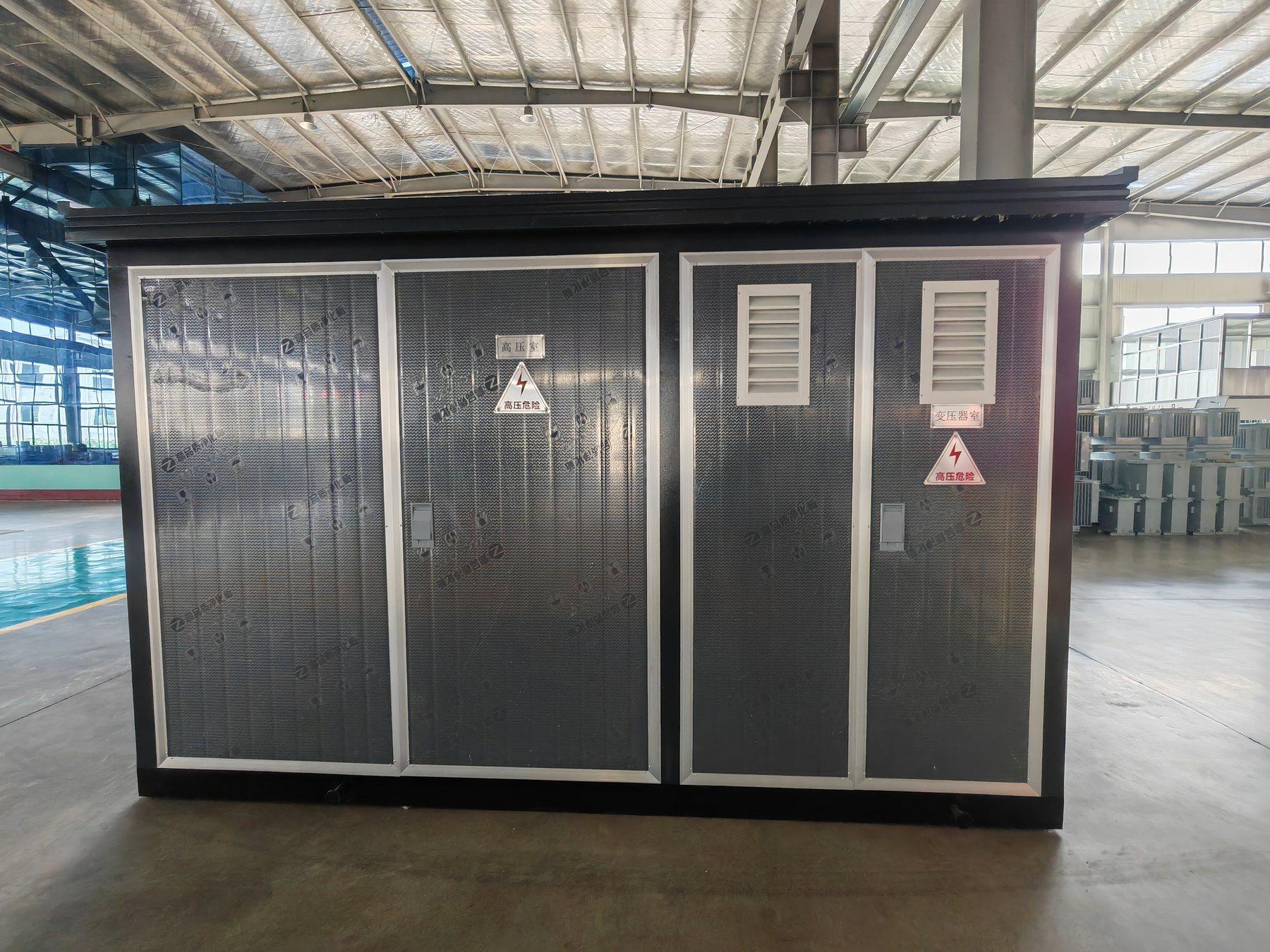
A compact substation places a transformer, medium-voltage equipment, low-voltage equipment and enclosure services in a limited footprint. Noise can be affected by transformer loading, cooling equipment, enclosure panels, openings, foundations, nearby reflective surfaces and the distance to a property or occupied area. A supplier cannot close the requirement from the package name alone.
Use the Compact Substations page to identify the Jinxing package family. Then add the noise boundary to the same project schedule as voltage, layout, cable entry, ventilation and access. The purpose is to make the offer comparable without claiming a default acoustic performance for every configuration.
Define the site and operating condition first
Record where the measurement matters and when the equipment will operate. The request should identify the nearest occupied room, property line, housing or work area; the planned measurement distance and height; day or night operation; expected load or loading range; ambient temperature; surface and enclosure conditions; and whether fans, heaters or other auxiliary equipment can run during the assessment.
If the project has an owner or local acoustic limit, attach the approved requirement and identify who interprets it. If the limit is not yet available, mark it as an open engineering item. Do not replace an unknown site limit with an invented decibel promise.
Separate package sources from site conditions
| Noise source or interface | Buyer decision | Evidence to request |
|---|---|---|
| Transformer core and windings | What rating, loading and operating state represent the assessment? | Supplier noise statement for the quoted configuration |
| Cooling equipment | Are fans or pumps included, optional, staged or by others? | Auxiliary schedule, control narrative and sound assumption |
| Enclosure and openings | Which panels, louvers, doors and cable openings form the acoustic boundary? | GA drawing, ventilation layout and enclosure responsibility matrix |
| Foundation and surroundings | What plinth, wall, fence, road or reflective surface is part of the site model? | Site layout, foundation drawing and acoustic assumptions |
| Measurement condition | Where, when and with what operating condition is acceptance measured? | Test or acceptance plan with named responsibility |
| Mitigation options | What changes are possible if the first arrangement does not meet the approved limit? | Priced options, design review trigger and approval path |
This table is a procurement framework, not proof that an acoustic enclosure, barrier, fan arrangement or special transformer construction is available by default. The supplier should mark the offered scope and open decisions.
Coordinate noise with ventilation and access
Noise controls can change airflow, heat rejection, maintenance access and enclosure details. The compact substation ventilation checklist should be reviewed with the acoustic layout. A louver, fan or barrier cannot be added after drawing approval without checking temperature rise, clearances, weather protection and service access.
The site team should also check whether a wall or barrier redirects sound toward another receptor, whether doors need to remain operable, whether cable trenches and openings are sealed as assumed, and whether a replacement route remains usable. The compact substation door and equipment-removal guide covers access decisions; this article keeps the focus on noise boundary and acceptance responsibility.
Make the quotation comparable
Ask each bidder to list the acoustic basis beside the electrical and commercial scope. A useful comparison records the quoted transformer and cooling arrangement, enclosure construction, openings, assumed load, measurement location, exclusions, optional mitigation, site attendance and acceptance evidence. If one bid includes a barrier or low-noise option and another leaves it to civil works, compare the complete installed boundary or separate the alternatives clearly.
The package substation price factors guide can help expose scope differences, but it does not supply a project noise limit. Use the commercial building compact substation guide when occupied buildings or tenant areas are part of the site context.
RFQ checklist
Include the following with a compact substation noise enquiry:
- Site plan, nearest receptors, property boundary, occupied rooms and measurement locations.
- Required day or night limit, owner rule, local requirement or open approval item.
- Transformer rating, loading profile, cooling method and expected operating states.
- Enclosure type, doors, louvers, cable openings, partitions, barriers and adjacent walls.
- Foundation, plinth, road, fence, drainage and other surfaces that affect the installed condition.
- Auxiliary equipment such as fans, heaters, pumps, controls and their operating schedule.
- Required drawings, acoustic assumptions, calculations or test records for the offered configuration.
- Responsibility for design review, factory evidence, site measurement, mitigation and final acceptance.
- Priced alternatives and change-control trigger if the site requirement or layout changes.
Review the compact substation product family and submit the marked site and package information through Request a Quote. Final noise limits, equipment arrangement, mitigation and acceptance method remain project-specific.
FAQ
Does a compact substation have one fixed noise value?
No. The result depends on the actual transformer, loading, cooling equipment, enclosure, openings, foundation, surroundings and measurement condition. Ask for the basis tied to the quoted configuration.
Can a noise barrier be added after the substation drawing is approved?
Only after the project team checks airflow, heat rejection, access, fire or weather interfaces and the revised acceptance condition. Treat the barrier as a controlled design change, not an unpriced site assumption.
Who is responsible for proving the site noise requirement is met?
The purchase documents should name the design, factory evidence, site measurement and mitigation responsibilities. The supplier can confirm its package scope, while the owner or appointed engineer confirms the applicable site requirement and acceptance method.