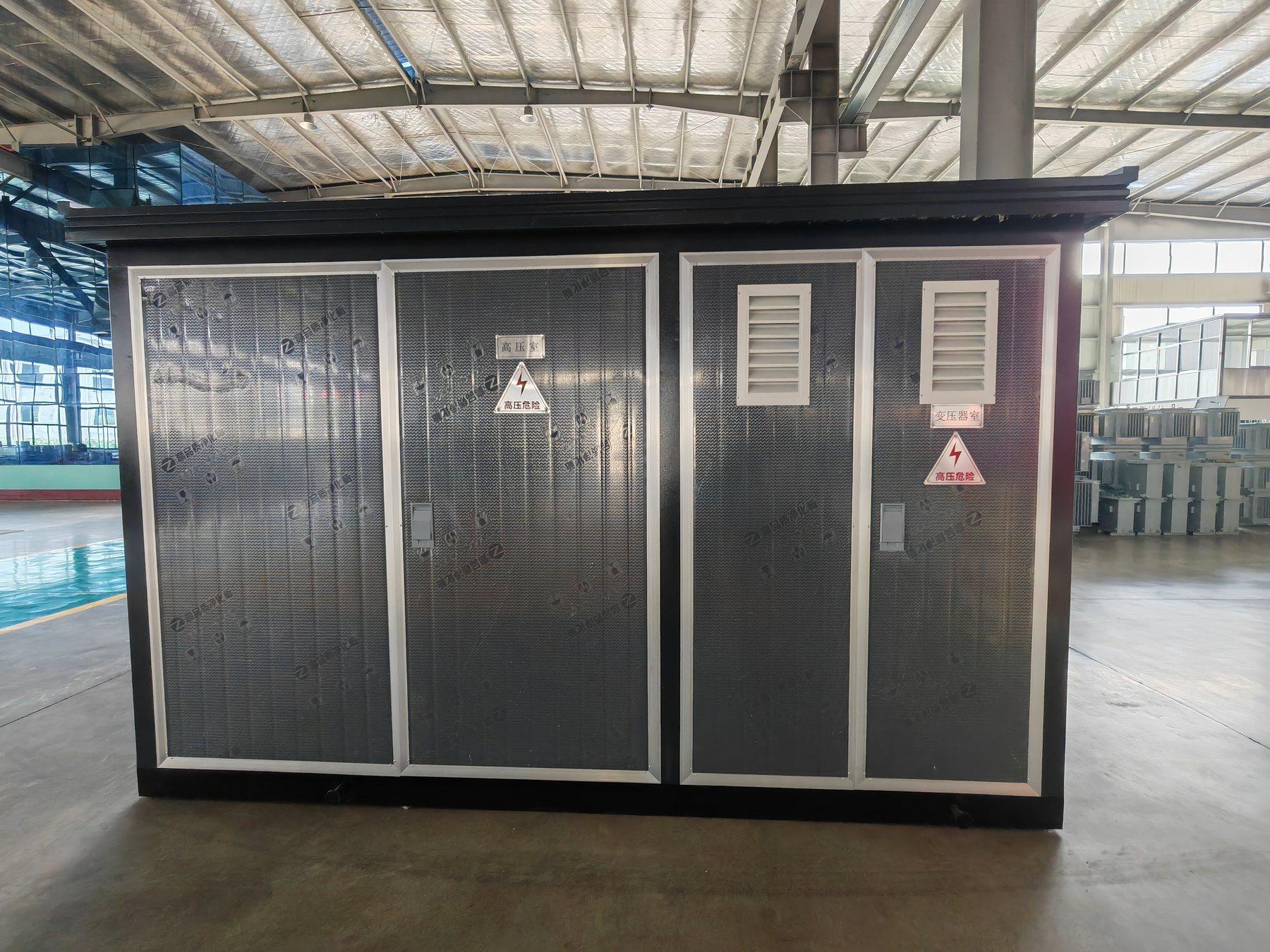
Order the delivered arrangement, not only the operating package
The compact substation range may be quoted as an assembled package or as separate shipping units, depending on the offered design and project constraints. The delivered form affects the unloading boundary, temporary supports, assembly sequence and records required at site. A single overall weight in a brochure does not describe every shipping condition.
Request a drawing and packing schedule for the quoted arrangement. If the transformer, roof, auxiliaries or other assemblies travel separately, each should have an identifiable shipping record. The equipment supply-boundary guide helps allocate delivery and site work, while the lifting-data schedule freezes the equipment information needed to prepare that work.
Build a shipping-unit data table
| Required data | What the purchaser should clarify | Manufacturer document |
|---|---|---|
| Unit identity | Which assembly is shipped under each packing reference? | Shipping-unit list tied to the equipment order |
| Dimensions | Does the figure include packing, projections and removable parts? | Shipping GA with defined overall dimensions |
| Mass | Is the value shipping, installed, dry or filled mass? | Declared mass and conditions included in it |
| Centre of gravity | Is its location supplied for this shipping condition? | Dimensioned centre-of-gravity information where applicable |
| Lifting points | Which locations are intended for the stated assembly? | Approved lifting-point drawing and equipment instructions |
| Temporary supports | Which supports travel with the package and which are by others? | Packing/support drawing and removal instructions |
| Delivery boundary | Who unloads, positions, assembles and inspects the unit? | Contract responsibility matrix |
The data should identify preliminary values and the milestone for final release. A logistics estimate can help early planning, but the project should not treat an estimate as a final lifting document.
Keep the data consistent through drawing approval
List the drawing revision, issue date and equipment configuration beside each shipping-unit reference. If the selected transformer or enclosure changes, ask whether the dimensions, masses, lifting information or supports must also be reissued. A revised electrical schedule can change physical delivery assumptions even when the external product description stays the same.
Ask the logistics and lifting teams to use the same approved package. Their route survey, crane selection, ground assessment and lifting method belong to the relevant competent contractors. The RFQ should require the manufacturer to supply equipment-specific information and instructions by an agreed milestone, so those contractors can complete their work without inventing missing data.
Separate initial delivery from later replacement
The door and equipment-removal access guide addresses future component replacement. Initial delivery may involve moving a complete shipping unit before cables and surrounding structures are installed. Later maintenance may require extracting only the transformer through a restricted route. Preserve both requirements on the project layout.
Likewise, the foundation design checklist addresses permanent supports and civil interfaces. Temporary unloading or assembly conditions should not silently be treated as equivalent to the completed foundation. Ask the civil and lifting teams to state any temporary-condition information they need from the supplier.
Example: a transformer changes after the transport booking
An EPC team reserves transport using preliminary package data, then accepts a different transformer arrangement during drawing approval. The shipping data must be checked again before the booking is confirmed. The practical control is a release note listing the approved shipping units and revisions, together with any remaining restrictions. This avoids relying on a mass or projection dimension that belonged to the earlier offer.
At delivery, compare equipment identities and packing references with the released list. Record missing items, visible transport damage, changed supports and open document issues before the package moves into the next acceptance stage. The supplier's instructions should define equipment-specific inspection and preservation information.
RFQ checklist
- Single-line diagram, equipment schedule, quantity and offered package arrangement.
- Proposed assembled or split shipping units and their identification.
- Preliminary and final shipping dimensions, packing allowances and projections.
- Shipping mass, filled condition and centre-of-gravity data where applicable.
- Equipment-specific lifting-point drawings and handling instructions.
- Packing supports, removable items and site reassembly deliverables.
- Unloading, lifting-plan, accessory, positioning and assembly responsibilities.
- Approved foundation and access interfaces supplied by the project.
- Final-data release milestone, change notification and delivery inspection records.
Send the shipping-unit schedule with the substation enquiry or through contact Jinxing. Final handling data depends on the purchased configuration and must be issued for that configuration.